
Mid & Upper Back
Mid & Upper Back
From burning between the shoulder blades to that deep, tired ache—we’ve got you.
Mid- and upper-back pain doesn’t get talked about as much as low back pain, but it can be just as severe. That burning between the shoulder blades, tightness under the shoulder straps, or stiffness that shows up every time you sit, drive, or breathe deeply—those are all things we help with every day.
At Timpanogos Physical Therapy, we don’t just call it “posture” and tell you to sit up straighter. We look at how your spine, ribs, shoulders, and breathing are working together, then use a mix of shockwave therapy, Electromagnetic Therapy (EMTT), hands-on treatment, targeted exercise, and red / near-infrared light therapy to help your mid and upper back feel like it belongs to you again.
Mid & upper back issues we see all the time
- Burning or tightness between the shoulder blades that builds over the day
- Stiffness through the upper spine when you turn, twist, or take a deep breath
- Pain that ramps up with desk work, driving, or phone time
- Discomfort with sitting in meetings, church, or at the movies
- Mid-back pain that seems to trigger or worsen neck pain or headaches
- Feeling like your chest is caving in or your posture is getting “stuck” rounded
- Soreness or pulling when you reach overhead, throw, or lift
- Rib and mid-back pain with certain motions, even though X-rays look “normal”
If you recognize yourself in a few of these, your mid and upper back are probably working harder than they should—and not getting much help from the rest of the system.
Why mid & upper back pain hangs around
The thoracic spine and rib cage are built to rotate, bend, and expand with each breath. When that area stiffens or gets overloaded, it can:
- Push extra work into the neck and low back
- Change how your shoulder blades move, stressing shoulders and arms
- Make breathing feel shallow and tight
- Keep muscles in a constant “low-level clench”
Add in modern life—computers, phones, driving—and it’s easy to see why so many people develop pain between the shoulders or across the mid back.
Our goal at Timpanogos Physical Therapy is to restore motion where you need it, settle down irritated tissues, and build the strength and control to handle real-life positions again.
How we treat mid & upper back pain
We don’t rely on one magic technique. We select from several tools and adjust them to your body and your goals.

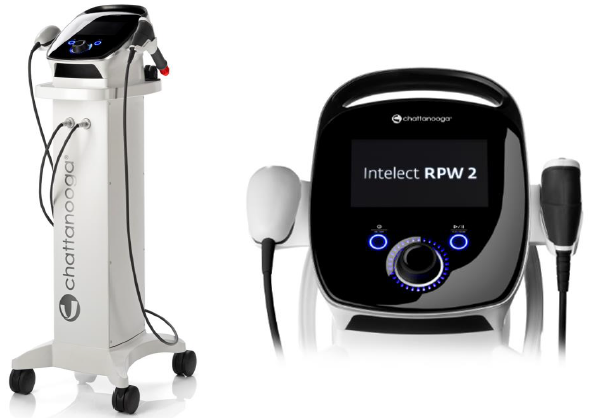
Shockwave Therapy
We use shockwave therapy to target stubborn muscle bands and sensitive spots along the thoracic spine, shoulder blades, and rib attachments. Those short, focused pulses can help:
- Decrease local tenderness
- Ease that “knot” feeling between the shoulder blades
- Encourage healthier tissue remodeling in areas that have been irritated for a long time
People often describe it as finally getting into those deep, nagging spots that never fully release.
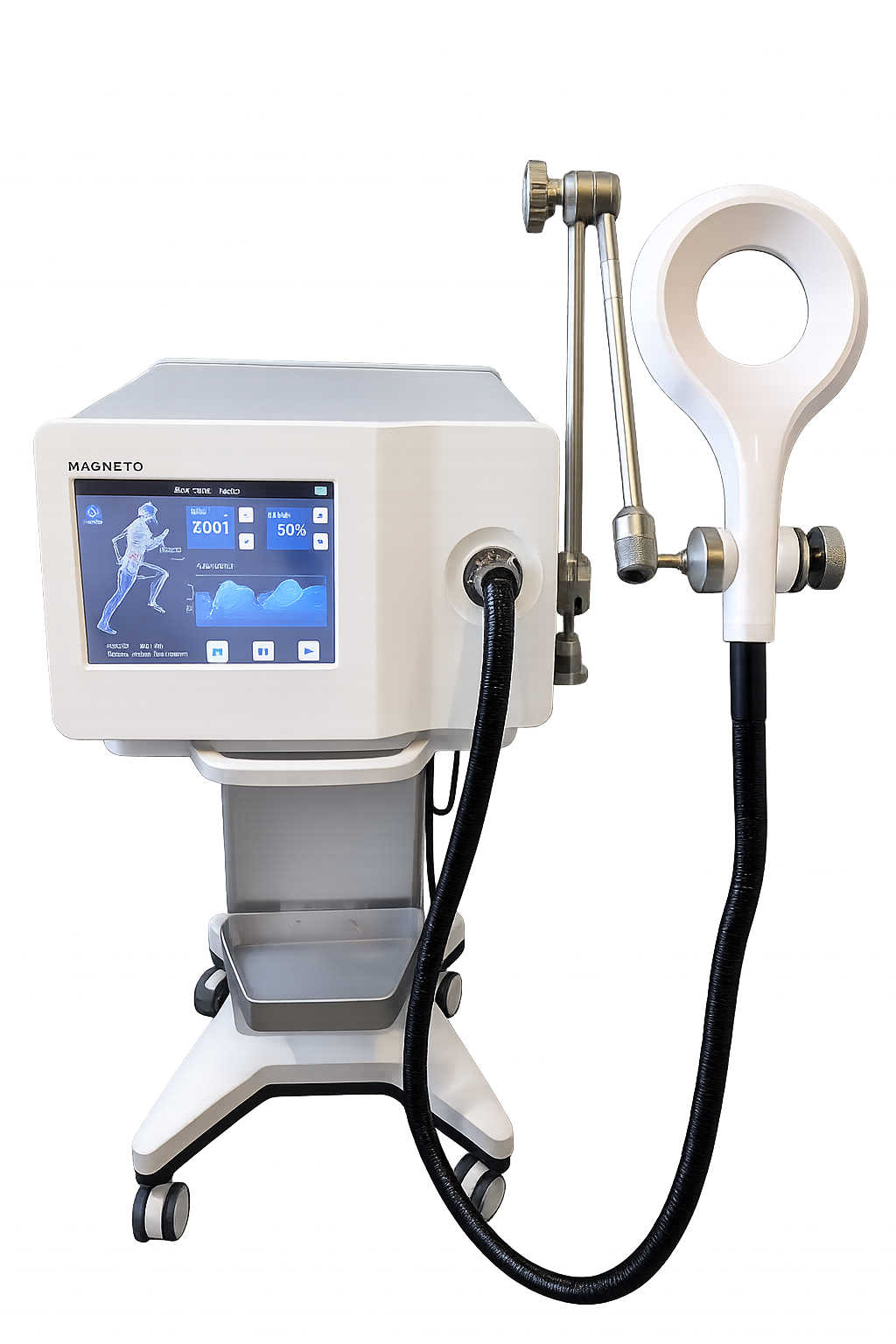
Electromagnetic Therapy (EMTT)
Electromagnetic therapy (EMTT) uses pulsed magnetic fields over the mid and upper back to:
- Help tight muscles relax
- Support local circulation
- Reduce the “always on” feeling in the upper quarter
We often use EMTT alongside shockwave therapy when the whole mid/upper back region feels reactive or fatigued.
Manual Therapy
Hands-on care may include:
- Soft-tissue work along the thoracic spine, shoulder blade region, and chest
- Gentle joint techniques to improve segmental motion in the upper and mid back
- Mobilization of the ribs when they’re part of the problem
- Work around the shoulder girdle so the upper back doesn’t carry the load alone
This helps restore motion and glide so movement feels smoother, not jammed.
Therapeutic Exercise & Movement Training
Once we’ve created some room to move, we layer in exercises that actually stick:
- Thoracic mobility drills (rotation, extension, side-bending) that you can do at home or at work
- Scapular (shoulder blade) control and strength to support better posture without “forcing” it
- Postural endurance work so you can sit, stand, and move without fatiguing so quickly
- Breathing patterns that use the rib cage and diaphragm instead of overworking neck and upper-back muscles
No giant workout plan—just a focused set of moves that match your day.
Red & Near-Infrared Light Therapy
Red and near-infrared light therapy can be a comfortable finisher over the mid and upper back. It’s designed to support tissue recovery and help your system shift out of “fight mode” after long days or harder sessions.
For desk workers, lifters, and active folks
Desk/laptop/phone life
We’ll help you with:
- Simple micro-breaks and setups that don’t wreck your attention span
- A few key exercises you can do with zero equipment
- Ways to sit, stand, and alternate positions so your mid back isn’t bearing the brunt of the day
Gym and sport
For people who lift, throw, swim, or serve overhead, the mid and upper back are the power-transfer zones. We’ll look at:
- Thoracic rotation and extension for lifts and overhead work
- How your shoulder blades move on your rib cage
- Loading strategies that let you keep training while symptoms calm down
The goal is not to bench or swing forever with “perfect form”—it’s to find a form your body can repeat without constant payback.
What progress can look like
- Less burning or tightness between the shoulder blades by the end of the day
- Easier time sitting, driving, or working at a computer without constant shifting
- More comfortable reaching, lifting, and overhead tasks
- Breathing that feels deeper and more natural
- A mid and upper back that feels like part of a strong system—not a weak link
Frequently Asked Questions
Is this just a posture problem?
Do you work on the neck or the lower back, too?
Will treatment be painful?
Do I need imaging first?
Ready to give your mid and upper back a break?
If the area between your shoulders has been constantly complaining, you don’t have to “live with it.” Schedule an evaluation with Timpanogos PT, and we’ll build a plan that fits your work, your activities, and your goals—so your mid and upper back can finally relax and support you the way they’re meant to.


Ready to get started?
Book Appointment