1955 W Grove Parkway STE 201 Pleasant Grove, UT 84062



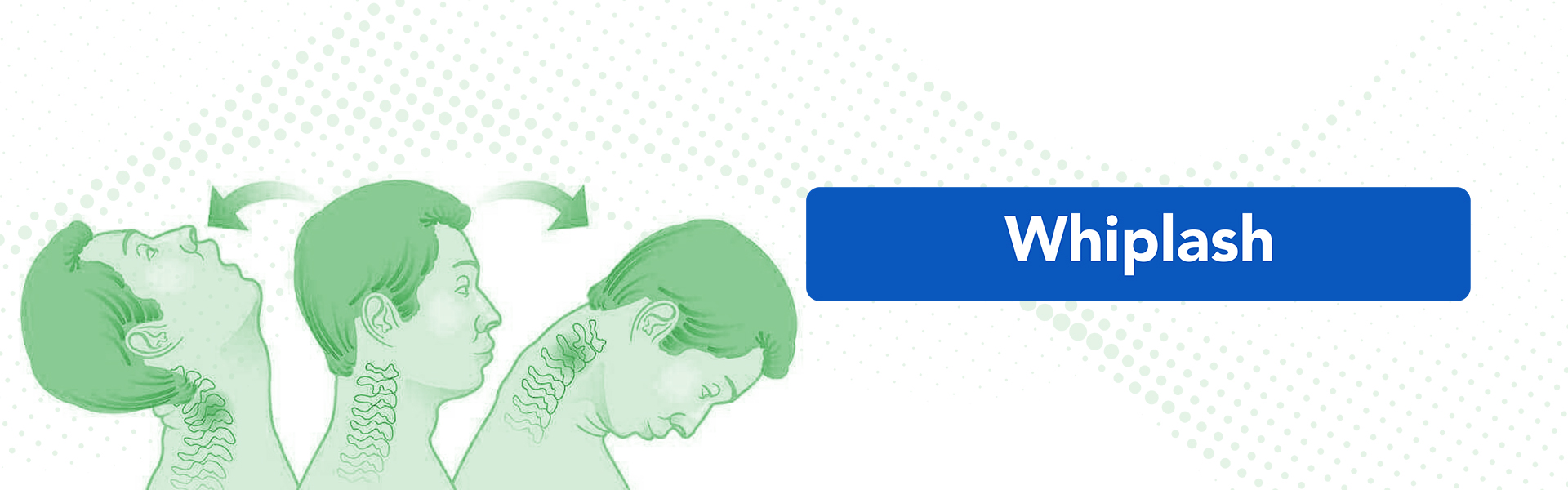
Whiplash
Neck pain that won’t calm down—after a crash, a hit, or a hard fall.
You get rear-ended or hit from the side. Maybe you walk away thinking, “I’m fine.” Then hours or days later, your neck tightens up, headaches kick in, and turning your head to check a blind spot suddenly feels like work.
That’s classic whiplash—a rapid back-and-forth movement of the neck that can irritate joints, muscles, discs, and nerves all at once.
At Timpanogos Physical Therapy, we’ve spent over 9 years treating auto-accident injuries like whiplash and other neck strains. We help you:
- Understand what irritated you
- Calm the pain down
- Restore motion and confidence
- Get back to driving, working, and sleeping without your neck constantly complaining
Whiplash isn’t just from car crashes.
Car accidents are the classic cause, but that same rapid “snap” of the neck can also happen with:
- Sports impacts – football, soccer, basketball, wrestling, mountain biking, skiing, snowboarding
- Falls – slipping on ice, missing a step, falling in the shower, getting knocked down
- Contact or collision activities – being checked, tackled, or hit unexpectedly
- Work injuries – sudden pulls, jerks, or being jolted by a load or equipment
The mechanism is similar: your head and neck are suddenly forced one way and then the other, faster than your muscles can react. So even if you weren’t in a car, your neck can still behave like a “whiplash neck”—and we treat those patterns the same careful, structured way.
Common whiplash symptoms
Whiplash isn’t “just a sore neck.” It often shows up as a mix of:
- Neck pain and stiffness – especially with turning, looking up/down, or holding one position
- Headaches – often starting at the base of the skull and wrapping to the front
- Upper back and shoulder blade pain or tightness
- Jaw or face discomfort in some people
- Dizziness or feeling “off”
- Fatigue and trouble concentrating
- Pain or odd sensations (aching, tingling, burning) in the arms or hands
- Feeling like your posture has changed, or your head feels heavy on your neck
You may also notice that even small activities—driving, sitting at a computer, doing housework—flare things up more than they used to.
When whiplash needs urgent medical care
Physical therapy is excellent for most whiplash cases, but some symptoms deserve immediate medical attention first, such as:
- A sudden, “worst headache of your life”
- Loss of consciousness, confusion, or significant behavior changes
- New weakness, numbness, or trouble speaking
- Loss of bowel or bladder control
- Severe chest pain, shortness of breath, or significant trauma
If any of those are in play, get emergency care first. We can step in for rehab once you’re medically cleared.
How we evaluate whiplash
At your visit, we’ll:
- Listen to exactly how the crash, fall, or hit happened and what’s been hurting since
- Assess neck motion, upper back mobility, and shoulder function
- Check muscle spasm, tenderness, and joint irritation
- Screen the nervous system (reflexes, strength, sensation)
- Look at posture and movement patterns that might be adding fuel to the fire
If needed, we can order X-rays or MRIs, or coordinate with your physician or other providers to ensure nothing serious is missed.
How we treat whiplash
Every plan is different, but most combine hands-on care, exercise, and technology to calm things down and then build you back up.
Step 1: Settle things down
Early on, the goals are to reduce pain and irritation and gently get things moving again.
We may use:
- Manual therapy
- Gentle joint mobilization for the neck and spine
- Soft-tissue work for tight muscles in the neck, shoulders, and upper back
- Red & near-infrared light therapy
- To support tissue recovery and ease post-session soreness
- Positioning and activity tweaks
- Small changes in how you sit, sleep, and work that reduce constant strain on your neck
You stay in control—we keep things in the “tolerable but helpful” range.
Step 2: Restore motion & control
As pain allows, we focus on getting your neck and upper back moving again and teaching the muscles to work together smoothly.
This may include:
- Gentle range-of-motion drills for the neck and upper back
- Scapular (shoulder blade) work so your shoulders and neck stop fighting each other
- Light strengthening for deep neck and postural muscles
- Breathing and relaxation strategies to reduce protective muscle guarding
The goal is to reduce that “stuck” feeling and make turning your head feel safer and more natural.
Step 3: Strengthen, stabilize & return to normal
Once symptoms are calmer, we’ll progress to:
- More targeted strengthening for neck, upper back, and shoulders
- Endurance work so your neck lasts through a whole day—not just a few minutes
- Real-life practice: driving, desk work setup, lifting, hobbies, sports, and workouts
We want you to walk away with a neck that’s not just “less painful,” but more durable.
Where our technology fits in
We use modern tools alongside traditional PT to help stubborn whiplash symptoms.
Shockwave therapy
For some patients, whiplash leaves behind:
- Persistent tender trigger points or tight bands in the neck and upper back muscles
- Irritable tendon or soft-tissue spots around the shoulder girdle
In those cases, shockwave therapy can help:
- Reduce localized pain and sensitivity
- Soften stubborn, overworked tissues
- Make stretching, strengthening, and daily movement more comfortable
We only use it when the timing is right and it fits your specific pattern—not as a one-size-fits-all fix.
EMTT (Electromagnetic therapy)
EMTT (Electromagnetic Transduction Therapy) uses pulsed magnetic fields over the neck and upper back region to:
- Support tissue healing and circulation
- Help calm down irritable, over-guarding muscles
- Complement the progress you’re making with exercise and manual therapy
It’s non-invasive and usually used as a supportive add-on, not the entire plan.
Red & near-infrared light therapy
We often pair your rehab with red and near-infrared light to:
- Support recovery in irritated tissues
- Help ease post-treatment soreness
- Provide a gentle, calming finish to more active sessions
Whiplash from an auto accident? We understand the insurance side, too.
If your whiplash is from a car accident, there’s usually a lot more going on than just pain:
- Auto insurance (often PIP/MedPay) may cover a significant portion or all of your care
- If you’re working with an attorney, treatment can often be done under an attorney lien, so you’re not billed while your case is active
- Documentation of your symptoms, progress, and limitations actually matters for your case
Our clinic has extensive experience in auto injury rehab, coordinating with attorneys, insurers, and other medical providers, and performing Functional Capacity Evaluations (FCEs) when needed to document your physical abilities.
For more details on that side of things, see our Auto Accident Rehab page.
FAQs
How long does whiplash take to heal?
It varies. Some people improve noticeably in a few weeks; others have symptoms that take longer to unwind—especially if multiple areas were injured or pain has been around for months. Our focus is steady progress, not rushing or stalling.
Do I have to rest completely?
Total rest usually isn’t the answer. We’ll help you find the right level of activity—enough movement to encourage healing, not so much that you keep flaring up.
Can PT help if my accident or injury was a long time ago?
Yes. Even if your crash, fall, or sports injury was months or years ago, we can still work on motion, strength, mechanics, and sensitivity to improve function and comfort.
Ready to stop letting whiplash run the show?
If neck pain, headaches, and stiffness after a crash, fall, or sports hit are still hanging around, you don’t have to “wait it out.”
Schedule a whiplash evaluation at Timpanogos Physical Therapy, and we’ll:
- Figure out what’s driving your symptoms
- Build a clear, step-by-step plan
- Use hands-on care, targeted exercise, and tools like shockwave, EMTT, and red light therapy when appropriate
So you can get back to driving, moving, and living without your neck constantly reminding you of that moment.