1955 W Grove Parkway STE 201 Pleasant Grove, UT 84062



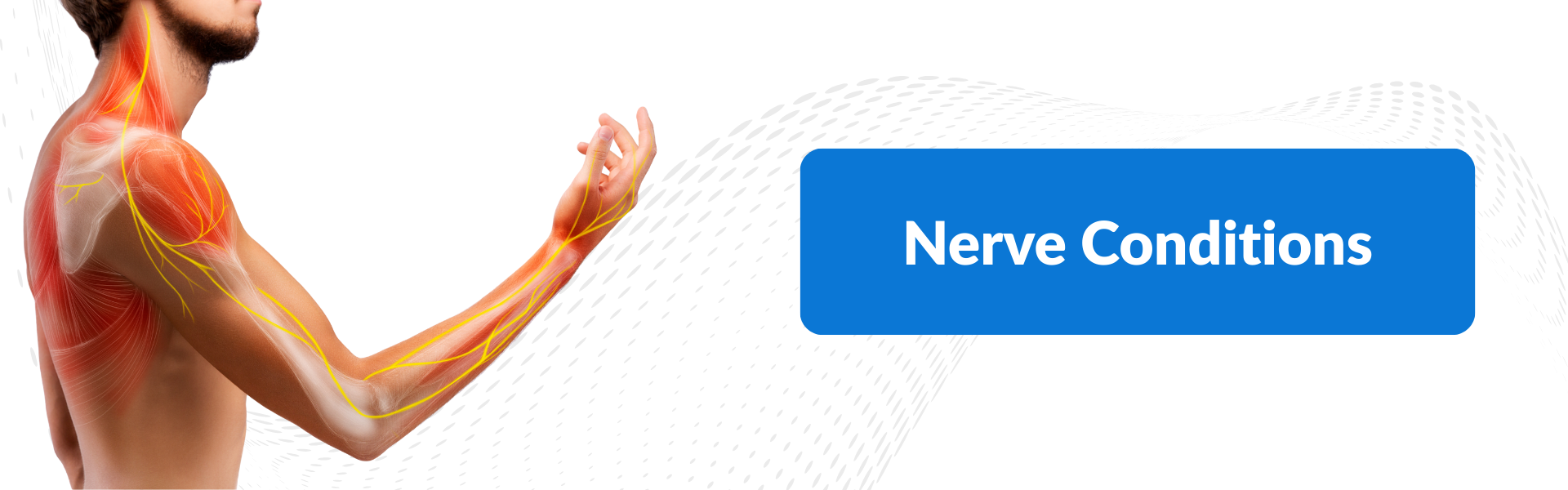
Nerve Conditions
Tingling, burning, numbness? You’re not stuck with “just live with it.”
Nerve problems can be incredibly frustrating:
- Toes or feet that feel numb or “wrapped in foam”
- Burning, tingling, or “electric” sensations in hands or feet
- Weak grip or clumsiness
- Night pain that wakes you up
- Feeling unsteady because you can’t really feel the ground
At Timpanogos Physical Therapy, we treat a variety of nerve-related conditions—and we’ve seen especially encouraging results using shockwave therapy, EMTT, and EMS muscle-building technology alongside targeted physical therapy.
We’ve had many patients who hadn’t felt the bottom of their feet in years start to:
- Regain sensation
- Improve balance
- Move with more confidence and stability
It’s not a magic cure for everyone, but for many people, it’s a significant, meaningful improvement in how they function and feel.
Nerve conditions we commonly see
We treat nerve issues from many different causes, including:
- Peripheral neuropathy
- Diabetic neuropathy
- “Idiopathic” neuropathy (cause unclear)
- Chemo-related neuropathy in some cases
- Carpal tunnel syndrome
- Numbness and tingling in the thumb, index, and middle fingers
- Night pain and waking to “shake the hand out”
- Weak or clumsy grip
- Other nerve entrapments and irritations:
- Ulnar nerve irritation at the elbow or wrist
- Radial nerve symptoms in the forearm/hand
- Tarsal tunnel and nerve irritation in the foot/ankle
- Nerve root irritation contributing to arm or leg symptoms
Nerve issues often overlap with arthritis, spine problems, and old injuries, so we always look at the whole picture—not just one nerve in isolation.
What nerve problems can feel like
Common descriptions we hear:
- “My feet are numb, but also weirdly sensitive.”
- “It burns at night.”
- “I feel like I’m walking on pillows or marbles.”
- “My hands go numb when I drive or sleep.”
- “I trip more because I can’t quite tell where my feet are.”
Symptoms can include:
- Numbness or reduced sensation
- Tingling, buzzing, or “pins and needles”
- Burning or electric pains
- Weakness or clumsiness
- Feeling unsteady, especially in the dark or on uneven ground
If those are becoming your “new normal,” it’s worth addressing.
Our approach to nerve conditions
We start with a detailed evaluation:
- Where are your symptoms, and how do they behave?
- When did they start, and what makes them better or worse?
- Is there a known medical cause (diabetes, chemo, spine issues, prior injury)?
- How is this affecting walking, balance, grip, sleep, work, and daily life?
Then we build a plan that may include:
- Shockwave therapy
- EMTT (Electromagnetic Transduction Therapy)
- EMS muscle-building for nerve-related weakness and atrophy
- Targeted exercise for strength, balance, and mechanics
- Education and safety strategies
We like to work alongside your medical team, especially when neuropathy has systemic causes. Our job is to improve your comfort, function, and safety.
Shockwave therapy for nerve-related problems
Most people know shockwave therapy as a tendon or joint treatment, but we also use it strategically for nerve-related issues, especially:
- Peripheral neuropathy in the feet
- Carpal tunnel and other entrapment syndromes
- Areas with thick, tight, or irritated soft tissue that may be compressing or aggravating nerves
Shockwave can help by:
- Supporting local circulation and tissue health
- Softening stiff, thickened tissue that may crowd nerve pathways
- Reducing pain and hypersensitivity in specific nerve-related patterns
In neuropathy cases, when we combine focused shockwave with balance training and strengthening, we often see:
- Improved sensation in the feet
- Better awareness of foot position
- Greater confidence walking and standing
We don’t promise identical results for everyone—but we use shockwave regularly because we’ve seen it make a real difference for many people.
EMTT: an emerging option for neuropathy & nerve irritation
EMTT (Electromagnetic Transduction Therapy) uses high-energy pulsed magnetic fields applied over areas where nerves and tissues are struggling.
We use EMTT to:
- Support tissue metabolism and microcirculation
- Help calm deep, achy, nerve-related discomfort
- Complement shockwave and exercise for a more complete treatment approach
We’re especially interested in EMTT’s role with:
- Peripheral neuropathy (especially in the feet)
- Carpal tunnel and other nerve entrapments as part of a broader plan
- Nerve-related pain patterns in the spine and extremities
It’s a promising, newer technology. On its own, it’s not a cure, but when combined with shockwave and skilled rehab, many patients report:
- Reduced burning and tingling
- More normal sensation
- Easier walking and use of the hands
EMS muscle building: when nerve issues have weakened the muscle
Nerve problems don’t just change sensation—they also often weaken the muscles those nerves supply. That can show up as:
- Visible muscle loss (atrophy)
- A leg or arm that clearly feels weaker than the other
- Trouble pushing off, climbing stairs, or gripping and lifting
Even with traditional exercise, some muscles are hard to “wake up” when the neuromuscular connection is impaired. This is where our EMS muscle-building / body sculpting technology can be a powerful tool.
How it helps
EMS uses high-intensity electromagnetic pulses to create strong, repeated muscle contractions—even when your voluntary nerve signal is weak. In simple terms:
We can help muscles work more intensely than you can often produce on your own.
This can:
- Recruit muscle fibers your nervous system currently has trouble accessing
- Help maintain or rebuild muscle mass and strength in areas affected by neuropathy or nerve irritation
- Support better walking, balance, and functional strength, especially when foot/ankle or leg weakness is part of the problem
We commonly use EMS muscle-building to target:
- Feet and lower legs in people with neuropathy who struggle with push-off, foot clearance, and stability
- Thighs and hips, when nerve issues or long-term pain have shut those muscles down
- In some cases, upper extremity muscles to complement hand/wrist rehab
How it fits into your plan
EMS isn’t about replacing nerve healing—it’s about giving weakened muscles a much more intense, focused training stimulus while we:
- Work on balance and gait
- Improve joint mobility and mechanics
- Address underlying causes as much as possible
We use EMS as a booster within a comprehensive rehab program, not as a stand-alone service, and we’ll always be upfront about when it’s appropriate for you.
Building function back: beyond just symptom relief
Nerve issues aren’t just about how things feel; they’re about how you move and live.
Your plan may also include:
Balance & gait training
- Exercises to improve steadiness and reaction
- Practice on different surfaces as appropriate
- Strategies for walking more confidently, even if sensation isn’t perfect
Strengthening and coordination
- Foot and ankle strength to help with clearance and push-off
- Hip and core strength to keep you stable even if sensation is limited
- Hand, wrist, and forearm strength for better grip and control in carpal tunnel or other upper extremity nerve issues
Education & safety
- Ways to reduce fall risk at home and in the community
- Footwear and activity recommendations tailored to you
- Coordination with your medical team for overall health and risk factor management
FAQs
Will shockwave, EMTT, or EMS cure my neuropathy?
We don’t present these as guaranteed cures. What we often see is meaningful improvement in symptoms and function when these tools are combined with good rehab. Common outcomes include less burning, more sensation, improved balance, and better confidence, but results vary from person to person.
Is this safe if I have diabetes or other medical conditions?
Often, yes—but we’ll review your history carefully first. Certain medical conditions or implanted devices can change how or where we use specific technologies. When needed, we’ll coordinate with your physician.
Can PT still help if I’ve had nerve symptoms for years?
In many cases, yes. We may not be able to rewind everything, but we can often improve function, balance, strength, and comfort—and use technologies like shockwave, EMTT, and EMS to move things in a better direction.
Ready to see what’s still possible?
If you’ve been told, “That’s just how it is now,” but you’re still struggling with numbness, burning, weakness, or balance issues, there may be more options than you’ve heard about.
Schedule a nerve conditions evaluation at Timpanogos Physical Therapy, and we’ll:
- Take a close look at your symptoms, strength, and balance
- Talk honestly about whether shockwave, EMTT, and EMS muscle-building make sense for your situation
- Build a plan focused on less pain, better sensation, stronger muscles, and safer movement
So you can move from “I can’t feel or trust my feet/hands” toward “I finally feel like my body is starting to wake back up again.”