1955 W Grove Parkway STE 201 Pleasant Grove, UT 84062



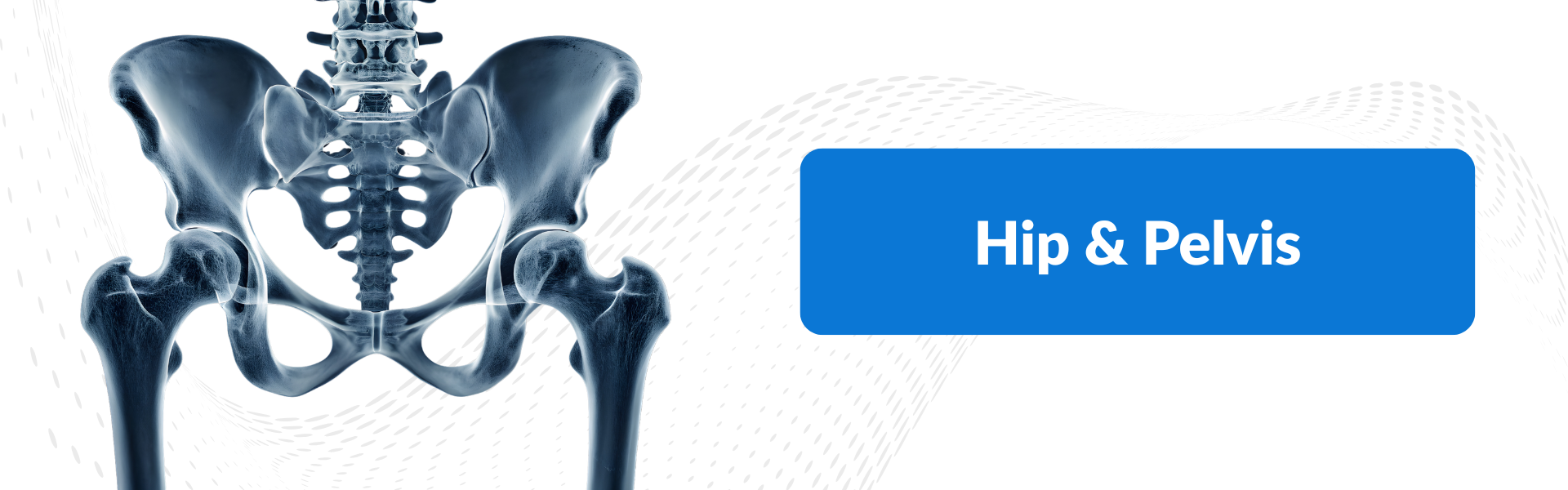
Hip & Pelvis
Less nagging ache. More walking, lifting, and living comfortably.
Hip and pelvic issues show up in a lot of ways: aching on the outside of the hip when you lie on your side, deep “jammed” pain in the front of the hip, tight glutes that never seem to relax, or a sharp grab around the SI area every time you stand up or roll in bed. Sometimes it even feels like one leg is longer than the other or like your pelvis is “twisted.”
At Timpanogos Physical Therapy, we look at how your hips, glutes, pelvis, and lower back are working together. Then we use a mix of shockwave therapy, electromagnetic therapy (EMTT), hands-on treatment, targeted exercise, and red / near-infrared light therapy to get everything sharing the load more evenly again.
Hip, glute & pelvic problems we see a lot
- Lateral hip pain when lying on your side or standing/walking (often called “bursitis” or gluteal tendinopathy)
- Deep groin pain with squatting, lunging, or certain hip angles
- SI joint pain—a sharp or aching pain off to one side of the low back/back of the hip
- A sense of pelvic rotation or misalignment, or feeling like one leg is functionally longer than the other
- Tight, overworked glutes that always feel “on”
- Discomfort in the front of the hip with sitting, running, or hip flexion
- Residual pain or stiffness after pregnancy, pelvic injury, or hip surgery
- Hip and buttock pain that radiates into the thigh, especially with standing or walking
If you’ve quietly built your life around what your hip or pelvis will tolerate—how long you stand, which side you sleep on, what activities you avoid—it’s a good sign those areas deserve focused help.
Why hip, glute & pelvic pain hangs around
This region is a crossroads for many forces. Pain usually sticks around because of a combination of:
- Overloaded tendons and muscles in the glutes, hip flexors, or deep rotators
- SI joint irritation where the spine and pelvis meet
- Rotational changes of the innominate bones and functional leg length discrepancies that alter how you load each side
- Hips that don’t move well, forcing the low back or knees to compensate
- Old injuries—or pregnancies and deliveries—that never got a complete rehab
- Sitting, driving, or lifting patterns that keep stress in the same spots day after day
Our goal is to figure out why your hip, glutes, or pelvis are irritated, then change the environment they’re working in—not just chase the sore spot.
How we help
We don’t use a one-size-fits-all protocol. We choose from several tools and adjust them to your body and your goals.
Shockwave Therapy
We use shockwave therapy to deliver focused mechanical pulses into stubborn areas such as:
- The lateral hip (glute med/min region)
- Painful SI region and deep buttock muscles
- Irritated hip flexor and groin tendons
- Gluteal and pelvic muscles that feel like a permanent knot
Shockwave can help reduce tenderness, ease chronic tension, and support tissue remodeling so those tissues tolerate load better.
Electromagnetic Therapy (EMTT)
Electromagnetic therapy (EMTT) uses pulsed magnetic fields over the hip and pelvic region to:
- Encourage tight muscles to let go
- Support circulation in sore or overused tissue
- Help the area feel less “reactive” so movement and exercise are better tolerated
It often layers nicely with shockwave therapy when the hips and SI joints have been sensitive for a long time.
Manual Therapy
Hands-on care might include:
- Joint mobilization of the hip to improve rotation, flexion, and extension
- Specific techniques for the SI joint and pelvis, including addressing innominate rotation and functional leg-length differences
- Soft-tissue work to the glutes, hip flexors, deep rotators, and lumbar muscles
- Addressing stiffness in the spine and knees when they’re part of the problem
This helps your hip and pelvis move more freely and share force more evenly.
Strength, control & movement training
This is where the system starts working for you instead of against you.
We’ll build a program that fits your life and may include:
- Glute strength work (side hip, deep rotators, and big movers) without over-irritating painful areas
- Hip mobility drills so you can get into functional positions—squats, steps, lunges—without constant pinching
- Pelvic and trunk control to support SI joint and hip alignment, especially if we’ve identified rotational patterns or functional leg length discrepancies
- Gait and movement tweaks so walking, stairs, running, or lifting feel smoother and more powerful
The idea isn’t to turn you into a full-time gym rat; it’s to give you enough strength and control that everyday life doesn’t flare the hip and pelvis every time you ask them to work.
Red & Near-Infrared Light Therapy
Red and near-infrared light therapy can be used over the hip, glutes, and SI region to:
- Support recovery after more demanding sessions
- Help calm lingering soreness or low-grade inflammation
- Promote tissue health without adding extra load
It’s a simple, comfortable way to finish a treatment and help your body shift into “recover” mode.
For lifters, runners, parents & desk workers
- Lifters/gym-goers: We look at squat, deadlift, lunge, and hinge patterns so your hips are working hard in a good way—not constantly being pinched or overloaded.
- Runners and hikers: Hip extension, glute capacity, and cadence can make or break how your hips and pelvis feel mile after mile.
- Parents and active adults: Picking up kids, house projects, yard work—all of these are hip-loaded. We help you handle them without paying for it later.
- Desk and commute crowd: We’ll give you realistic strategies for breaking up sitting time and keeping your hips from turning into concrete during your workday.
What progress can look like
- Sleeping on your preferred side without having to switch because of hip pain constantly
- Standing, walking, and climbing stairs with less pull or pinch in the hip or SI region
- Squatting, bending, and lifting feel more natural and less guarded
- Running, hiking, workouts, or recreational sports are becoming enjoyable again instead of something you dread because of your hip or pelvis
FAQs
I’ve been told I have “bursitis” in my hip. Can PT help?
Yes. Many cases of so-called bursitis respond very well to a combination of load management, strengthening, shockwave therapy, and hands-on treatment to the gluteal tendons and surrounding tissues.
What if my pelvis feels “out of alignment”?
We regularly assess and address pelvic alignment, including innominate rotation and functional leg length discrepancies. We use manual techniques to improve alignment and then build strength and control so your body can maintain those changes in real life.
Will I need to stop doing the activities I love?
Usually not. We’ll often modify how you’re doing them and how much for a while, but the goal is to keep you moving while your hip and pelvis calm down and get stronger.
Can this help if my pain has been there for years?
Chronic hip, glute, and pelvic pain can still improve. It often just takes a more complete approach—treating the irritated tissues, addressing alignment and mechanics, and building a base of strength and control that actually matches your lifestyle.
Ready for your hips and pelvis to feel more dependable?
If hip, glute, or pelvic pain has been changing the way you sit, stand, walk, or work out, you don’t have to just put up with it.
Schedule an evaluation with Timpanogos Physical Therapy, and we’ll map out a practical plan to help your hips, glutes, and pelvis move better, feel stronger, and support the way you actually live.