1955 W Grove Parkway STE 201 Pleasant Grove, UT 84062



Concussion Therapy
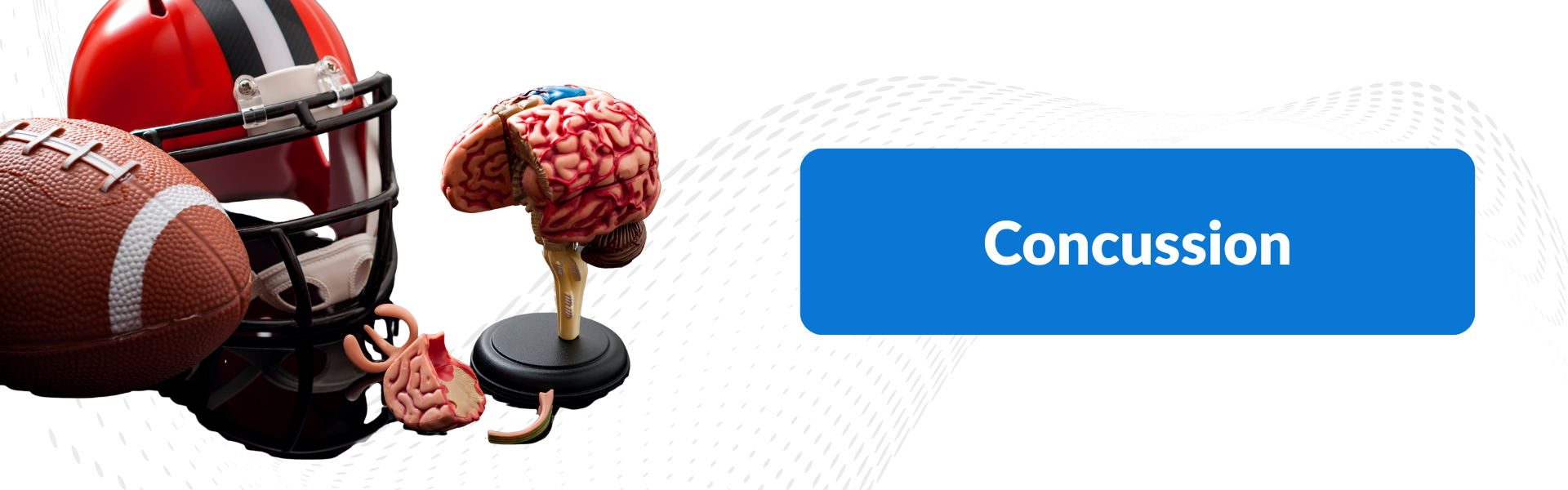
Your brain is your body’s command center. Its soft, sensitive tissues float in a cushioning fluid within the hard and sturdy skull. When families search online for how to take care of a concussion, they are usually trying to understand what a brain injury really is and what to do in the first few hours. But a swift blow to the head or violent shaking can override these protections and lead to a mild type of brain injury known as a concussion.
More than 1 million mild traumatic brain injuries occur nationwide each year. These injuries can be caused by falls, car crashes, or recreational activities like bike riding, skateboarding, skiing, or even playing at the playground. In the moment it happens, many people are unsure what do you do when they have a concussion or what to do in case of a concussion, which is why calm, clear instructions are so important.
More than half of concussions occur in children—often when playing organized sports such as football and soccer.
Although concussions are considered to be a mild brain injury, they need to be taken seriously. They should not be treated as minor injuries that quickly resolve. People usually start with concussion therapy and what kind of concussion treatment really protects long-term brain health rather than just masking discomfort.
With proper care, most people recover fully from a concussion. In some cases, a concussion can have a lasting effect on thinking, attention, learning, and memory, which is where structured concussion recovery therapy and supportive follow-up become essential.
A concussion isn’t visible from the outside, and you can’t see it with standard imaging tools like MRI and CT scans. Instead, healthcare providers look for signs and symptoms of abnormal brain function to make a diagnosis. If you are unsure where to go for concussion evaluation, starting with your primary provider, a trusted post-concussion doctor for concussion therapy and a skilled rehab team keeps everyone aligned on the same treatment plan.
Physical
- Headache
- Balance Issues
- Dizziness
- Visual Disturbances
- Light Sensitivity
- Noise Sensitivity
- Head/Neck Pain
- Nausea
Cognitive
- Foggy Feeling
- Lack of Focus
- Memory Loss
- Concentration Loss
- Slow Responses
Emotional
- Depression
- Sadness
- Anxiety
- Moodiness
- Irritability
Sleep
- Decreased Sleep
- Increased Sleep
- Can’t Go to Sleep
- Can’t Stay Awake
Many people look for how a concussion is treated or what they can take for a concussion. Still, the safest first step is always a careful assessment of concussion symptoms and red flag warning signs, rather than self-medicating or returning too quickly to normal activity.
Loss of consciousness occurs in about 1 in 10 concussions. A person with a concussion might have trouble answering basic questions or moving in an awkward, clumsy way. Symptoms can start quickly, or they can be delayed and appear over the next day or two.
The Prognosis with Concussion Injuries
For about 9 in 10 people with concussions, symptoms disappear within 7 to 10 days. Understanding typical healing patterns and key concussion symptoms can reassure you when recovery is on track and highlight when extra help is needed.
Scientists have been working to learn more about those who take longer to recover. In a NIH study, the majority of these kids recovered quite quickly or showed no increase in symptoms at all. On the other hand, a subgroup of kids, about 10 percent or 20 percent, showed a dramatic onset of symptoms after their injury and persistent symptoms that, in some cases, remained even 12 months after the injury. During this longer recovery window, clinicians pay special attention to concussion red flags, such as worsening headaches, repeated vomiting or sudden personality changes.
Concussion Rehabilitation
Our physical therapists have special vestibular and concussion rehabilitation training to help patients with a safe and optimal recovery time (optimal does not necessarily mean fast). As your local concussion therapist, we use education and structured concussion therapy to make sure every stage of activity supports healing rather than pushing you backward.
No two concussion injuries are the same. Different areas of the brain may be involved, so your physical therapist will perform a thorough evaluation of your neurological system, musculoskeletal system, and balance systems. This kind of detailed assessment reflects what a concussion specialist does, allowing truly individualized rehabilitation for concussion instead of a one-size-fits-all approach.
Rest and recovery – patients with concussions often need to rest their brain and body during the recovery process. This includes a personalized and closely monitored program to limit physical, thinking, and remembering activities to avoid symptoms from getting worse. Proper sleep hygiene (sleep habits) is also very important, and our specialists can help with education to help concussion patients get a better night’s rest. During this quiet phase, we walk you through how to care for a concussion therapy, including pacing mental tasks, limiting screens, and setting up the environment so that taking care of a concussion at home feels realistic, not overwhelming.
Restoring strength and endurance – rest can quickly lead to deconditioning of your body, or in other words, the rest and recovery after a concussion means you will get out of shape. Our trained clinicians will prescribe a graded neuromuscular and endurance training program to help you get back to daily activities and or sporting events. This gradual loading is a core part of rehab for a concussion, rebuilding fitness and confidence while still honoring the brain’s need for healing time.
Stopping dizziness and improving balance – dizziness is a common symptom after a concussion. It may be due to injury to the vestibular system. We may be help reduce or even eliminate dizziness and associated balance problems with specialized treatment and training techniques that may include:
- Stretches
- Strength and motion exercises
- Eye exercises
- Hands-on techniques
- The use of specialized balance devices
Return to Sport and Your Normal Daily Activities – it’s important to add the appropriate level of exercises and functional activities gradually because too much stimulation may cause the symptoms to worsen TEMPORARILY. Active patients often ask how to heal a concussion fast, and we explain that smart progressions, honest symptom tracking, and guided concussion recovery therapy are the safest path back to full activity.
With a proper assessment and closely monitored treatment program, most patients will fully recover with minimal residual deficits. At our clinic, structured rehab for concussion is designed to fit around school, work, family, and sports so it feels like part of life, not an extra burden. It is very important to follow the instructions of our physical therapist, who is highly trained in the rehabilitation of concussion injuries.
- www.ChoosePT.com
- www.CDC.gov