1955 W Grove Parkway STE 201 Pleasant Grove, UT 84062



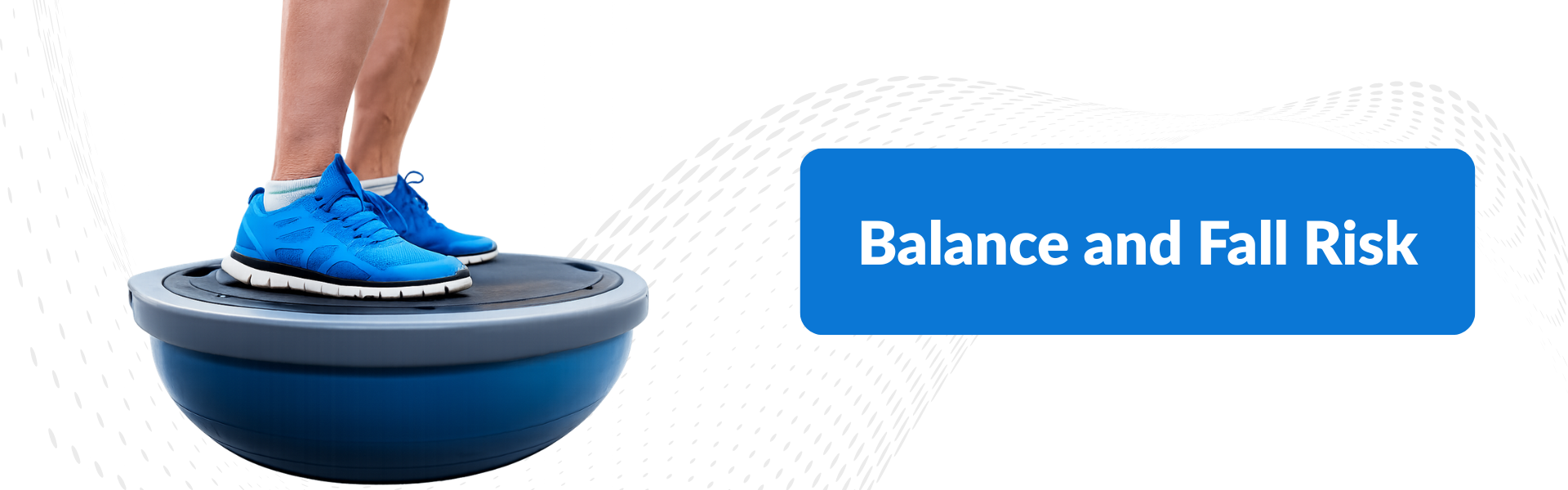
Balance & Fall Risk
Feeling unsteady? Let’s fix the “almost falling” before it becomes a real fall.
Feeling a little off balance can sneak up on you:
- You reach for something and have to grab the counter.
- You turn quickly and feel like the room shifts.
- Walking in the dark or on uneven ground makes you nervous.
- Maybe you haven’t fallen yet—but you’ve had some close calls.
At Timpanogos Physical Therapy, we help people move from:
“I’m worried I might fall.”
to
“I feel steady enough to trust my body again.”
Whether your balance issues are new or have been brewing for years, we take them seriously—and we have a plan.
Who this page is for
This page is for you if:
- You’ve had near-falls or “stumbles” lately.
- You feel wobbly when turning, backing up, or walking in crowds.
- You avoid curbs, stairs, or uneven ground when you can.
- You feel more unsteady in dim lighting or at night.
- You’ve already had a fall and don’t want to repeat it.
- You’ve been told you have vertigo, neuropathy, arthritis, or a history of concussion, and your balance just hasn’t been the same.
You don’t have to wait until you’re using a cane or after a serious fall to work on this. The best time is as soon as you start noticing changes.
Why balance changes (it’s not just “getting old”)
Balance is a team effort between:
- Your inner ear (vestibular system) – tells your brain where your head is in space
- Your eyes – give you visual reference points
- Sensation in your feet and legs – lets you feel the ground
- Your muscles and joints – provide strength and reaction
- Your brain and nervous system – coordinate it all
Trouble in any of these areas can show up as unsteadiness:
- Inner ear (vestibular) issues – vertigo, spinning, motion sensitivity
- Neuropathy – hard to feel the bottoms of your feet
- Arthritis or stiffness – hips, knees, or ankles don’t react quickly
- Weakness or deconditioning – especially in the hips, legs, and core
- Concussion or head injury – brain and balance systems out of sync
- Vision changes – harder to rely on eyesight for stability
We figure out which pieces of that balance system are struggling—and target your treatment accordingly.
How we evaluate balance & fall risk
At your evaluation, we’ll:
- Talk through your falls, near-falls, dizziness, and medical history
- Look at your gait (how you walk)
- Test your ability to stand in different positions and on other surfaces
- Check strength, flexibility, and joint mobility
- Screen the vestibular system and eye movements when appropriate
- Look at how your feet, ankles, knees, hips, and spine are contributing
We’ll also talk about:
- When and where you feel most unsteady (stairs, crowds, turning, getting out of bed, etc.)
- What you’re afraid to do now that you used to do easily
If we see anything that looks like it needs further medical evaluation, we’ll tell you and help you connect with the right provider. Otherwise, we get to work.
How we treat balance & fall risk
Your plan will be individualized, but it usually includes a mix of the following:
1. Balance retraining (the fun, functional stuff)
We design exercises that safely challenge your balance in a controlled way, such as:
- Standing with different foot positions
- Turning, stepping, and reaching in various directions
- Walking with head turns, different speeds, or obstacles
- Progressing from “easy” surfaces to more challenging (when it’s appropriate and safe)
The goal: teach your body to react faster, steadier, and more automatically, so everyday life feels less risky.
2. Vestibular & dizziness rehab (when the inner ear is involved)
If dizziness, vertigo, or motion sensitivity are part of your story, we may include:
- Specific testing for BPPV (positional vertigo)
- Head and eye movement exercises that retrain how your brain processes motion
- Strategies for reducing sensitivity to busy environments or quick head turns
We keep things in your tolerable zone and progress step by step—no “spin you until you’re sick and send you home” approach.
3. Strengthening the “anti-fall” muscles
Balance is much easier when the correct muscles are strong. We’ll target:
- Hips and glutes – big players in stopping you from tipping
- Thighs and calves – for stepping, stairs, and quick corrections
- Core – to keep your center of mass under control
This doesn’t mean a gym-style workout. It means simple, intentional exercises that directly support your balance.
4. Gait training & confidence building
We’ll work on:
- Walking with a steady, efficient stride
- Turning, backing up, and navigating tight spaces
- Practicing real-life situations – curbs, stairs, doorways, carrying objects
If you use or might benefit from an assistive device (cane, walker, hiking pole), we’ll help you pick and use it correctly—sometimes just short-term while you build back strength and confidence.
5. Home and daily-life strategies
We can also talk through:
- Simple home safety changes (rugs, lighting, cords, bathroom setup)
- Footwear choices that support stability
- What to do if you do lose your balance or suffer a minor fall
The goal isn’t to make you paranoid—it’s to give you tools and a plan, so you feel prepared instead of vulnerable.
How this differs from our “Falls & Injuries” page
- The “Falls & Fall-Related Injuries” page focuses on treating injuries after a fall and then preventing the next one.
- The “Balance & Fall Risk” page (this one) is all about catching problems early—when you’re noticing wobbliness, dizziness, or near-falls and want to stay ahead of the curve.
Many people will benefit from both approaches over time; we’ll meet you wherever you are.
FAQs
Do I have to be “old enough” for balance therapy?
No. We see balance issues in people of all ages—after concussions, inner ear problems, neuropathy, injuries, or long periods of inactivity. If you feel unsteady, you qualify.
What if I’m afraid I’ll fall during the exercises?
We design your program to be challenging but safe. That might mean using a gait belt, standing close by, starting with very supported positions, or using sturdy surfaces you can hold. You’ll never be pushed into something we can’t safely guard.
Can you help even if I’ve already had multiple falls?
Yes. In fact, that’s a strong reason to start. We’ll address injuries from prior falls (if needed) and then work on balance, strength, and strategy to lower your risk in the future.
Ready to feel steadier on your feet?
If you’re tired of worrying about your next step—or your next fall—you don’t have to wait for things to get worse.
Schedule a Balance & Fall Risk evaluation at Timpanogos Physical Therapy, and we’ll:
- Pinpoint what’s driving your unsteadiness
- Build a clear, realistic plan to improve balance and strength
- Address dizziness or inner ear issues when they’re part of the problem
- Help you move through the world with more confidence
So you can stop staring at the ground with every step—and start trusting your body again.