Chronic pain and discomfort are something that many of our patients at Timpanogos Physical Therapy in Pleasant Grove, Utah visit our location for. Resting and stretching are part of the process, but many people search for alternative options that can help them heal and get back to the activities they enjoy. Shockwave therapy is an example of a treatment that is getting more and more attention. It can become part of your physical therapy regimen. As its popularity has grown, so have many common shockwave therapy myths that can make it difficult for patients to separate fact from fiction.
It is completely understandable to have questions about this therapy, regardless of whether you have experienced it before. This non-invasive treatment uses acoustic sound waves to stimulate the body’s natural healing response and support tissue repair. Understanding the truth behind common misconceptions can help you make informed decisions about your health and recovery.
Key Takeaways
- Shockwave therapy may cause mild discomfort, but most patients find the treatment manageable.
- Results typically develop over time as the body responds to treatment and healing progresses.
- This therapy can benefit many people, not just athletes recovering from sports injuries.
- Shockwave therapy has been widely used in clinical settings and is considered a safe, non-invasive treatment option.
Understanding the Comfort Level of Shockwave Therapy
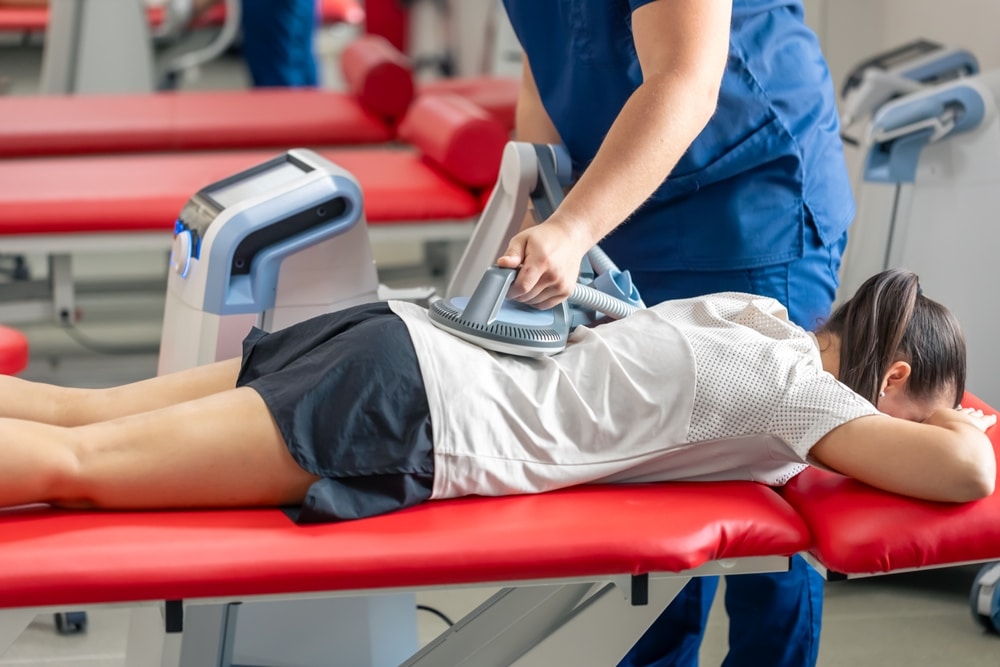
One of the most common myths about shockwave therapy is that the treatment is extremely painful. While it’s true that every patient is different, most people describe the process as something that has mild to moderate discomfort rather than severe pain. That mild discomfort is the feeling of the acoustic waves stimulating your body’s natural healing response.
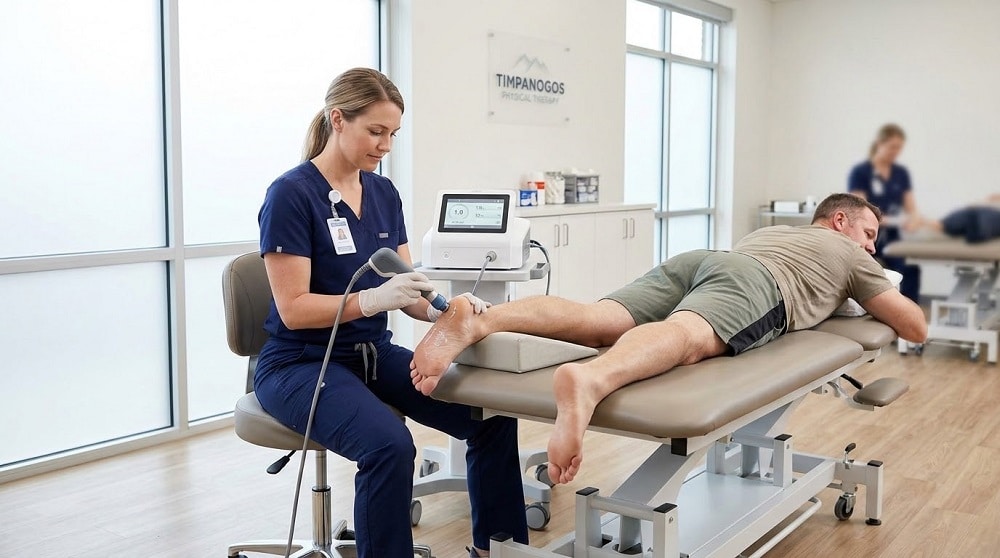
Getting more specific, you may feel a tapping or pulsing sensation, especially in areas that are already sensitive. However, the intensity can often be adjusted based on your comfort level and treatment goals. It’s important to realize that the temporary discomfort you’re feeling doesn’t mean it’s negatively affecting the body long-term. Many times, the sensation occurs because the therapy is targeting damaged tissue that needs healing. Most sessions are relatively short, and patients can return to their normal daily activities afterward.
Why can shockwave therapy get a reputation for being painful? Some reasons are listed below:
- The sensation of acoustic waves tapping or pulsing on the skin can feel intense.
- Treatment is often directed at already sensitive or injured areas, which may feel more tender.
- The treatment’s intensity is often mistaken for pain instead of the body’s adaptation to healing.
Shockwave Therapy Takes Time to Work
Another one of the shockwave therapy myths is believing that it will make significant changes after only one session. Every individual is different, and some may respond faster than others. However, healing takes time and often builds gradually with each treatment.
Shockwave therapy is stimulating the body’s natural processes. Progress shouldn’t be expected overnight. Many treatment plans involve multiple sessions to help support tissue healing and improve function over time. It is important for patients to have realistic expectations and understand that healing is a process. Results can continue to develop even after completing treatment as the body continues to respond.
Timpanogos Physical Therapy helps our patients in Pleasant Grove, Utah understand that shockwave therapy isn’t a quick fix. Consistency and following our provider’s recommendations can help you get the best possible outcome from shockwave therapy.
Shockwave Therapy Is Not Just for Athletes
Many people think only athletes can benefit from shockwave therapy because they believe it is specifically designed for sports-related injuries. While athletes may use this treatment to help with tendon and muscle problems, it can also benefit many everyday people dealing with ongoing pain or injuries.
It can be used for individuals who have issues with chronic musculoskeletal conditions like tendonitis or plantar fasciitis, for example. You don’t have to be a world class athlete to reap the benefits of shockwave therapy. It can help people from all walks of life.
| Person | How Shockwave Therapy May Help |
| Weekend athlete | Supports recovery from overuse injuries or tendon pain |
| Office worker | May help with discomfort from repetitive movements |
| Active adult | Can support healing from lingering aches and injuries |
| Older adult | May help manage certain chronic soft tissue conditions |
A Safe Treatment Option Backed by Clinical Use
When you hear the word “shock,” it may be easy to understand why some people might be cautious about treatment. The treatment is much different than what most of us imagine. It is a non-invasive treatment that does not involve surgery or injections.
Like any treatment, shockwave therapy should be performed by a trained healthcare professional who can determine if it is appropriate for your condition. The therapy has been used in clinical settings for years and certain shockwave therapy devices have received FDA clearance for specific uses. Understanding the facts can help clear up safety concerns. It’s not designed to harm the body. It’s a proven, non-invasive tool designed to safely support your body’s natural recovery.
Learn More About Shockwave Therapy In Pleasant Grove, Utah
If you are looking for a trusted option to address ongoing pain or stubborn injuries, our physical therapy clinic in Pleasant Grove can help you explore advanced treatment options. Timpanogos Physical Therapy offers a wide range of services, including shockwave therapy. Contact us to set up an appointment.
Can I return to normal activities after shockwave therapy?
Most patients can continue with their daily routines after treatment, although some may experience mild soreness in the treated area.
How long does a shockwave therapy session usually take?
A typical session is fairly short and often takes around 10 to 15 minutes depending on the treatment area.
Can shockwave therapy replace surgery?
Shockwave therapy may help some patients manage certain soft tissue conditions, but working with a provider can give you clearer answers.