1955 W Grove Parkway STE 201 Pleasant Grove, UT 84062


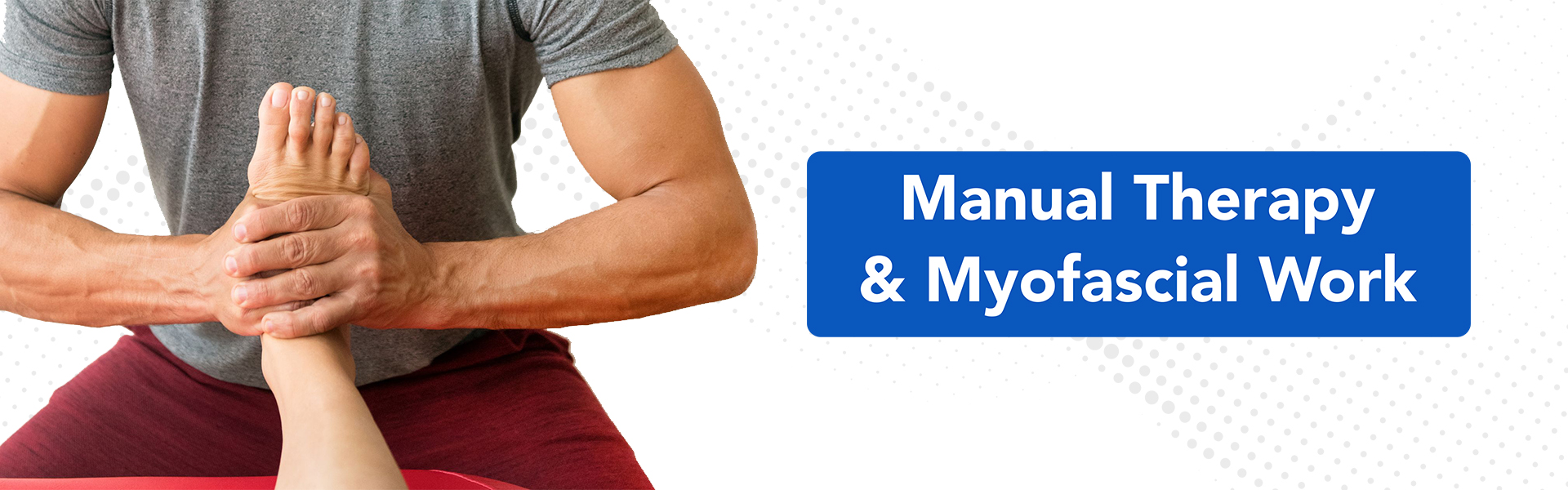
Manual Therapy & Myofascial Work
Hands-on care, upgraded with powerful technology
At Timpanogos Physical Therapy, we’ve always believed in good, hands-on care—mobilizing joints, easing tight muscles, and working through stubborn myofascial restrictions.
Over the years, though, we’ve found something important:
For most people, shockwave therapy and EMTT (magnetotransduction therapy) do what traditional manual treatment was trying to do—just deeper, more thoroughly, and often more effectively.
That doesn’t mean we’ve abandoned classic manual skills. It means we now have more ways to help you feel better, and we choose the right tools for your situation.
Why manual & myofascial work still matter
Even with all the tech in the world, your body still responds incredibly well to:
- The right kind of touch
- The correct direction of pressure
- The proper joint movement at the right time
Manual therapy and myofascial work can:
- Reduce muscle guarding and tension
- Improve joint motion and “glide”
- Decrease protective pain responses
- Make it easier to move and load the area with exercise afterward
We especially lean on more traditional hands-on techniques for patients who:
- Prefer a more gentle approach
- Have contraindications to shockwave or EMTT (specific devices, conditions, or sensitivities)
- Can’t tolerate the intensity of more powerful tools right away
But when someone can tolerate them safely, shockwave and EMTT have replaced a lot of the old-school grinding and digging—because they work better for most people.
Shockwave & EMTT as advanced myofascial tools
You’ll see separate pages on shockwave and EMTT, but in the context of myofascial work, here’s how they shine:
Shockwave therapy
Shockwave acts like a highly focused, mechanical myofascial tool:
- Delivers precise, high-energy pulses into tight, thick, or painful tissue
- Breaks up stubborn trigger points and adhesions that fingers and elbows can’t always reach as effectively
- Helps remodel stiff, ropey fascia and tendon tissue
- Can quickly change how a muscle or fascia feels and moves, so exercises work better
We use it for:
- Deep muscle bands that never quite relax
- Chronic “knots” that keep coming back
- Fascia and tendon areas that feel like concrete
EMTT (Magnetotransduction Therapy)
EMTT is like a regional, hands-off myofascial reset:
- Uses pulsed magnetic fields to influence larger areas of muscle and fascia
- Reaches deep into tissue without any pressure on the skin
- Great for people who are touch-sensitive or have widespread tightness
- Pairs beautifully with shockwave for a “local + regional” effect
Together, shockwave and EMTT often achieve what used to take a lot of manual work—and they do it in a way that’s highly reproducible and customizable.
Other myofascial tools we use
Technology is fantastic… but we still love our classic, hands-on tools when they’re the right fit.
Vibration therapy
We use targeted vibration to:
- Relax protective muscle guarding
- Warm up tissues before deeper work or exercise
- Help the nervous system “downshift” out of high alert
It’s especially nice for people who are tension-prone or anxious about being worked on.
Scraping (IASTM)
Instrument-Assisted Soft Tissue Mobilization (IASTM), often called “scraping,” uses smooth tools to:
- Address myofascial adhesions and restrictions
- Improve tissue glide
- Wake up areas that feel stiff, sticky, or “stuck”
We use it when we want a firm, targeted mechanical input but don’t necessarily need the full power of shockwave.
Cupping
Cupping can:
- Lift and decompress tissues
- Improve local circulation and lymphatic flow
- Provide a different kind of myofascial stretch (from the top, not just pressing down)
It’s an excellent option for people who feel compressed, heavy, or locked up, especially around the back, shoulders, and hips.
Classic manual techniques
Depending on your needs, we may also use:
- Joint mobilization for stiff neck, back, or extremity joints
- Soft-tissue mobilization and myofascial release
- Gentle mobilization with movement
- Targeted stretching and positional work
We’ll explain what we’re doing and why—no mystery “just relax” routines.
How we decide what to use for you
We don’t start with, “What gadget can we use today?”
We start with:
- What’s actually going on in your tissues (joint? fascia? tendon? nerve? all of the above?)
- How irritable or sensitive the area is
- Your medical history and any contraindications
- Your comfort level—some people love intense treatment, others need a softer start
From there, we build a plan that may include:
- Shockwave and/or EMTT when we want maximum impact on myofascial and tendon problems
- Vibration, scraping, cupping, or classic manual work as standalone options or add-ons
- Follow-up exercise and movement training so those myofascial changes actually translate into better function
If you can’t have Shockwave or EMTT for any reason, you’ll still get high-quality, manual-focused care. If you can have them, they often become the centerpiece of our myofascial strategy, with hands-on work supporting them.
What a session might look like
A typical manual/myofascial-focused visit might include:
- Re-checking your pain and movement – what changed since last time?
- Choosing that day’s tools:
- Shockwave on a dense, painful tendon
- EMTT to calm a region of spasm and guarding
- Vibration, scraping, cupping, or classic hands-on work where it fits
- Re-testing motion, strength, and symptoms after treatment
- Finishing with a few key exercises or stretches so your nervous system learns, “This new freedom of movement is safe.”
The result we’re after: you leave feeling not just “worked on,” but like you move differently, breathe easier, and have a bit more space in your body.
FAQs
If shockwave and EMTT are more effective, why use manual therapy at all?
Because you’re a person, not a tendon in a test tube, some situations call for a softer, more specific touch, or you may have a condition that doesn’t allow for particular technologies. Manual work will always have a place—it’s just no longer our only option.
What if I don’t like intense treatments?
We’ll meet you where you are. We can start with gentle manual therapy, vibration, or very low-intensity work and build from there only if you’re comfortable and it’s appropriate.
Can I request more hands-on and less machine-based treatment?
Absolutely. Part of our job is to use our judgment; the other part is to listen to you. We’ll explain the pros and cons and make decisions together.
Want your muscles and fascia actually to let go?
If you’ve had a massage or bodywork that feels good for a day but doesn’t really change things, or you’re curious how modern tools like shockwave and EMTT can upgrade myofascial work:
Schedule an evaluation at Timpanogos Physical Therapy, and we’ll:
- Figure out why your tissues are so guarded, tight, or sore
- Choose the right mix of shockwave, EMTT, and hands-on techniques for your body
- Pair it with simple, targeted exercises so the changes last
So you don’t just feel looser on the table—you feel better when you’re actually living your life.
Manual Physical Therapy in Pleasant Grove
At Timpanogos Physical Therapy, we specialize in manual physical therapy in Pleasant Grove designed to reduce pain, restore mobility, and improve the way your body moves every day. Our hands-on approach focuses on identifying the root cause of dysfunction—not just managing symptoms—so you can experience meaningful, long-term results.
As experienced manual physical therapy specialists, we provide one-on-one care tailored to your condition, your goals, and how your body responds to treatment. Whether you’re recovering from an injury, managing chronic pain, or working to regain strength and mobility, our team is here to guide your progress with precision and consistency.
What Is Manual Physical Therapy?
Manual physical therapy is a specialized form of treatment that uses skilled, hands-on techniques to improve joint mobility, reduce muscle tension, and restore proper movement patterns.
At Timpanogos Physical Therapy, this may include joint mobilization, soft tissue work, and guided movement strategies—all applied with intention based on your specific needs. Rather than relying on generalized exercise alone, manual therapy allows us to directly address restrictions in the body that limit performance and cause discomfort.
This approach is especially effective for individuals experiencing limited mobility, muscle imbalances, post-injury stiffness, or ongoing pain that hasn’t fully resolved with traditional methods.
Conditions Treated with Manual Physical Therapy
Manual physical therapy in Pleasant Grove is highly effective for a wide range of musculoskeletal conditions. Many patients come to us for help with neck and back pain, shoulder or knee injuries, and sports-related issues that interfere with daily activity or performance.
It’s also a key component of post-surgical rehabilitation and can be particularly beneficial for those dealing with chronic pain or long-standing movement restrictions. By combining hands-on treatment with targeted exercise and education, we help restore function while reducing the risk of future injury.
Myofascial Release Physical Therapy
A critical component of our approach is myofascial release physical therapy in Pleasant Grove, which focuses on the fascia—the connective tissue that surrounds and supports muscles throughout the body.
When fascia becomes tight or restricted, it can create tension, limit mobility, and lead to compensatory movement patterns. These imbalances often contribute to persistent discomfort and reduced performance.
Through gentle, sustained pressure, myofascial release helps the tissue gradually relax and lengthen. This process improves flexibility, enhances circulation, and allows the body to move more freely and efficiently.
Incorporating myofascial release into your treatment plan allows us to address deeper layers of restriction that are often missed with more surface-level approaches.
Advanced Hands-On Techniques
Every treatment session is built around your individual needs, using a combination of advanced manual therapy techniques to support recovery and performance.
Your care may include joint mobilization to improve alignment and range of motion, soft tissue work to release tension, and assisted stretching to restore flexibility. These techniques are not applied in isolation—they are part of a structured plan that evolves as your body adapts and improves.
This level of customization ensures that your treatment remains effective at every stage of recovery.
Personalized, One-on-One Care
One of the most important factors in successful physical therapy is focused, individualized attention. At Timpanogos Physical Therapy, every session is conducted one-on-one with a trained specialist.
This allows us to closely monitor your progress, adjust treatment in real time, and address specific areas of concern as they arise. It also gives you the opportunity to receive guided instruction and feedback, helping you build better movement habits that support long-term results.
This personalized approach is what sets us apart as a trusted provider of manual physical therapy in Pleasant Grove.
Why Choose Manual Physical Therapy?
Manual therapy offers a more direct and effective way to address pain and movement limitations. Instead of working around dysfunction, it targets the source—helping your body move the way it’s supposed to.
Patients often choose this approach because it leads to faster improvements, better mobility, and longer-lasting relief. When combined with the right strengthening and movement strategies, manual physical therapy creates a strong foundation for both recovery and performance.
Start Your Recovery in Pleasant Grove
If pain, stiffness, or limited mobility is holding you back, the right treatment can make all the difference. At Timpanogos Physical Therapy, we provide expert manual physical therapy to help you move better, feel stronger, and return to the activities you enjoy.
Schedule your appointment today and experience the benefits of working with dedicated manual physical therapy specialists who are focused on your long-term success.
Frequently Asked Questions
What is manual physical therapy?
Manual physical therapy in Pleasant Grove uses hands-on techniques to reduce pain, improve joint mobility, and restore proper movement patterns.
What do manual physical therapy specialists do?
Manual physical therapy specialists assess how your body moves and apply targeted techniques—such as joint mobilization and soft tissue work—to improve function and relieve discomfort.
What is myofascial release physical therapy?
Myofascial release physical therapy in Pleasant Grove focuses on relieving tension within the fascia to improve flexibility, reduce pain, and restore balance throughout the body.
Is manual therapy safe?
Yes. When performed by trained professionals, manual therapy is a safe and effective treatment. Techniques are always adjusted to match your condition and comfort level.
How many sessions will I need?
Treatment plans vary depending on your condition and goals. Your therapist will create a personalized plan and adjust it as you progress.