1955 W Grove Parkway STE 201 Pleasant Grove, UT 84062

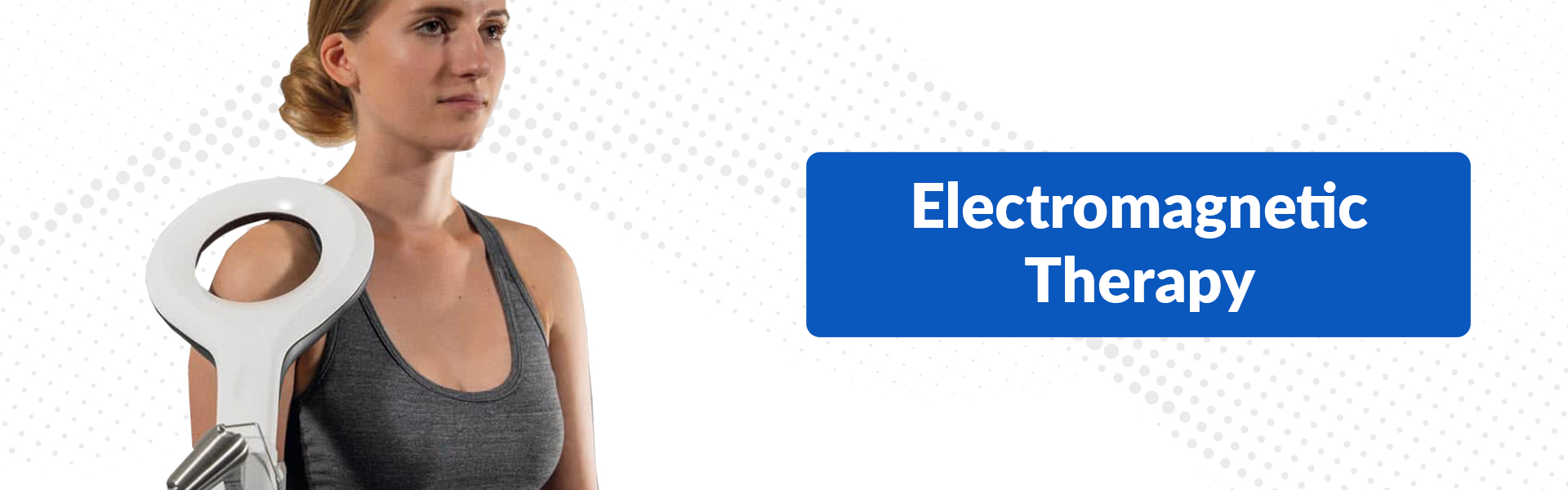
Electromagnetic therapy

Extracorporeal Magnetotransduction Therapy (EMTT)

Next-generation magnetic therapy for deep tissue healing

Extracorporeal Magnetotransduction Therapy—EMTT for short—is one of the newest non-invasive technologies in musculoskeletal medicine. It uses high-energy, high-frequency magnetic pulses to stimulate healing in muscles, tendons, joints, and surrounding tissues.

Devices in this class received FDA 510(k) clearance in 2021 as powered muscle stimulators for indications such as relaxing muscle spasms, preventing disuse atrophy, increasing local blood flow, and improving muscle performance.

As of 2025, EMTT is still relatively new in the U.S., and you won’t see it in most PT clinics yet. We chose to bring it in early because of emerging research—and because we’ve seen firsthand what it can do.

Real-life example: Our lead physical therapist, Dr. Phil Richards, used EMTT on his own torn shoulder labrum. Over about 7–8 treatments, his pain and shoulder symptoms dropped by almost 100%. Everyone responds differently, but that experience is a big reason we’re so excited to offer this to our patients.

What exactly is EMTT?

Think of EMTT as “magnetic shockwave for a region” rather than a single small spot.

  • The device uses a treatment coil positioned a short distance away from your body.
  • It sends rapid, high-intensity magnetic pulses (typically in the 100–300 kHz range, with field strengths in the tens of millitesla).
  • These pulses induce tiny electrical currents in your tissues (via electromagnetic induction), without heating the tissue and without you having to undress.
  • The field penetrates deeply—up to around 18 cm according to manufacturer data—so it can reach structures that are hard to influence with superficial treatments alone.

EMTT is different from older forms of magnetic field therapy or PEMF in two key ways:

  1. Much higher oscillation frequency (hundreds of kilohertz instead of a few hertz).
  2. Higher adequate field strength, which translates into more “effective transduction power” in the cells.

In plain English: the pulses are fast and strong enough to meaningfully nudge the electrical and chemical behavior of the cells we’re targeting.

How EMTT may help your body heal

Research on EMTT is growing quickly. A few key themes are emerging:

1. Supporting tendon and soft-tissue repair

A 2025 lab study on human tendon cells found that EMTT:

  • Increased tenocyte proliferation and migration (tendon cells moved and multiplied more effectively).
  • Boosted production of collagen I and III and other matrix components essential for tendon strength.
  • Downregulated a key cellular aging marker (CDKN2a/INK4a), suggesting a “senolytic-like” effect (helping reduce senescent, worn-out cells).

Clinically, EMTT has been used for:

  • Rotator cuff tendinopathy
  • Achilles and plantar fasciitis–type problems
  • Other chronic tendon and overuse injuries

In a clinical trial on rotator cuff tendinopathy, combining EMTT with extracorporeal shockwave therapy (ESWT) produced greater pain relief and better shoulder function than ESWT alone or sham-EMTT alone.

2. Calming pain and inflammation

Manufacturer data and clinical reports suggest EMTT can:

  • Modulate inflammatory processes
  • Improve local circulation
  • Influence nerve signaling in irritated or sensitized tissues

Patients often describe a combination of pain reduction and a sense of “loosening” or “unloading” in the treated area over a series of sessions.

3. Helping joints and spine conditions

EMTT is being used internationally for:

  • Osteoarthritis (knees, hips, hands, shoulders, spine)
  • Chronic low back and neck pain
  • Radiculopathy and other nerve-related pain
  • Degenerative joint changes and spondylarthrosis

It’s not a magic wand, but it can be a potent adjunct—especially when paired with good rehab, shockwave therapy, and exercise.

What an EMTT session feels like

Most people find EMTT surprisingly easy:

  • You stay fully dressed; we position the coil over the target region.
  • You’ll feel a rhythmic tapping or pulsing deep in the tissues, sometimes with muscle fasciculations (little twitches).
  • Sessions are short—typically 5–20 minutes per region, depending on the area and condition.
  • There’s no downtime; you walk out and get on with your day.

Mild, temporary soreness or a sense of “worked” tissue can happen, similar to how you might feel after a focused manual treatment or a workout. Serious side effects are rare; manufacturer data note only occasional, mild redness or discomfort in clinical use.

What we use EMTT for at Timpanogos PT

We typically consider EMTT when we want to influence deeper, more stubborn tissues or a larger regional pattern of pain. Examples include:

  • Chronic tendinopathies
    • Rotator cuff, tennis/golfer’s elbow, patellar tendon, Achilles tendon
    • Plantar fasciitis and other foot/ankle overload problems
  • Arthritis and joint degeneration
    • Knee and hip osteoarthritis
    • Shoulder or elbow arthritis
    • Spinal facet and degenerative changes
  • Chronic back and neck pain
    • Especially when there’s a mix of joint irritation, muscle spasm, and nerve sensitivity
  • Sports and overuse injuries
    • Recurring hamstring, calf, or glute issues
    • Overworked tendons that haven’t responded to “rest and stretch” alone
  • Post-surgical or post-immobilization stiffness and pain
    • As an adjunct to shockwave, manual therapy, and exercise

EMTT is never the only thing we do. We integrate it with:

  • Shockwave therapy (fantastic for focal tendon and bone-tendon junction issues)
  • Manual therapy to restore joint and soft-tissue mobility
  • Therapeutic exercise so your new gains actually stick
  • Red and near-infrared light when we want to support local cellular recovery further

Why we invested in EMTT

We didn’t bring EMTT in just because it’s “cool tech.” We chose it because:

  • We’ve spent years working with advanced shockwave and know where it shines—and where we want something more regional and non-contact.
  • The early evidence for EMTT in tendinopathies, joint pain, and chronic spine conditions is genuinely promising.
  • The mechanistic research on tendon cells and tissue regeneration lines up nicely with what we see clinically.
  • Phil’s own shoulder story gave us a front-row seat to what it can do.

And because EMTT plays so well with shockwave, it fits perfectly into the way we already treat complex cases: multimodal, customized, and focused on what gets you better.

Safety, screening, and who shouldn’t get EMTT

EMTT is non-invasive and overall considered very safe, but there are necessary precautions:

We do not use EMTT on or in patients with:

  • Pacemakers, implanted defibrillators, or other sensitive electronic implants
  • Certain metal implants that are not considered safe in strong magnetic fields
  • Pregnancy, as a precaution
  • Certain active cancers or conditions where strong electromagnetic fields are contraindicated

We’ll go through a full screen at your evaluation to make sure EMTT is appropriate and safe for you. If it’s not a match, we still have a bottomless toolbox (shockwave, manual work, red light, therapeutic exercise, and more).

Insurance & cost: why EMTT is a cash-based service

Even though devices in this family are FDA-cleared and categorized as powered muscle stimulators, most insurers have not yet created specific coverage policies for EMTT as a musculoskeletal treatment.

That means:

  • EMTT is currently offered as a cash-pay add-on at our clinic.
  • We’ll always be transparent about pricing and help you decide how to fit it into your overall plan of care.

Why do many people still choose it:

  • Sessions are short and stack easily with your regular PT visits.
  • It may help speed up progress in stubborn problems, potentially reducing how long you need more expensive or time-consuming care.
  • For some, it’s part of avoiding or delaying more invasive options (injections or surgery), which can mean fewer missed work days and less long-term cost.

We’ll never push it—it’s simply one more powerful option we can offer, and we’ll talk honestly about whether it’s likely to add value in your specific case.

FAQs

Is EMTT the same as PEMF or “magnetic mats”?
 No. EMTT uses much higher frequencies and field strengths than typical consumer PEMF devices, and is delivered via a clinical-grade coil with deep-tissue penetration. It’s a different category of electromagnetic therapy.

Will I feel anything during treatment?
 Yes—you’ll usually feel a rhythmic pulsing or tapping sensation in the area we’re treating. Some people notice muscle twitching. It shouldn’t be painful; we can dial the intensity up or down as needed.

How many sessions will I need?
 That depends on your condition, its severity, and how long it’s been there. Some people feel a change within a few visits; others need a longer series for stubborn, chronic issues. We’ll outline a realistic plan after your evaluation and adjust it based on your response.

Can EMTT replace exercise or good rehab?
 No. EMTT is a powerful amplifier, not a substitute. The best results come when we pair it with bright loading, hands-on care, and a plan that fits your life.

Curious if EMTT could help you?

If you’ve tried “the usual stuff” and still feel stuck—or you’re just excited about cutting-edge, non-invasive options—we’d be happy to see if EMTT belongs in your plan.

Book an evaluation at Timpanogos Physical Therapy, and we’ll:

  • Take a deep dive into your history and goals
  • Decide together whether EMTT, shockwave, or another approach makes the most sense
  • Build a treatment plan that combines technology, hands-on care, and exercise in a way that actually moves the needle for you
Shopping Cart
No products in the cart.
Add Order Note
Estimate Shipping