1955 W Grove Parkway STE 201 Pleasant Grove, UT 84062


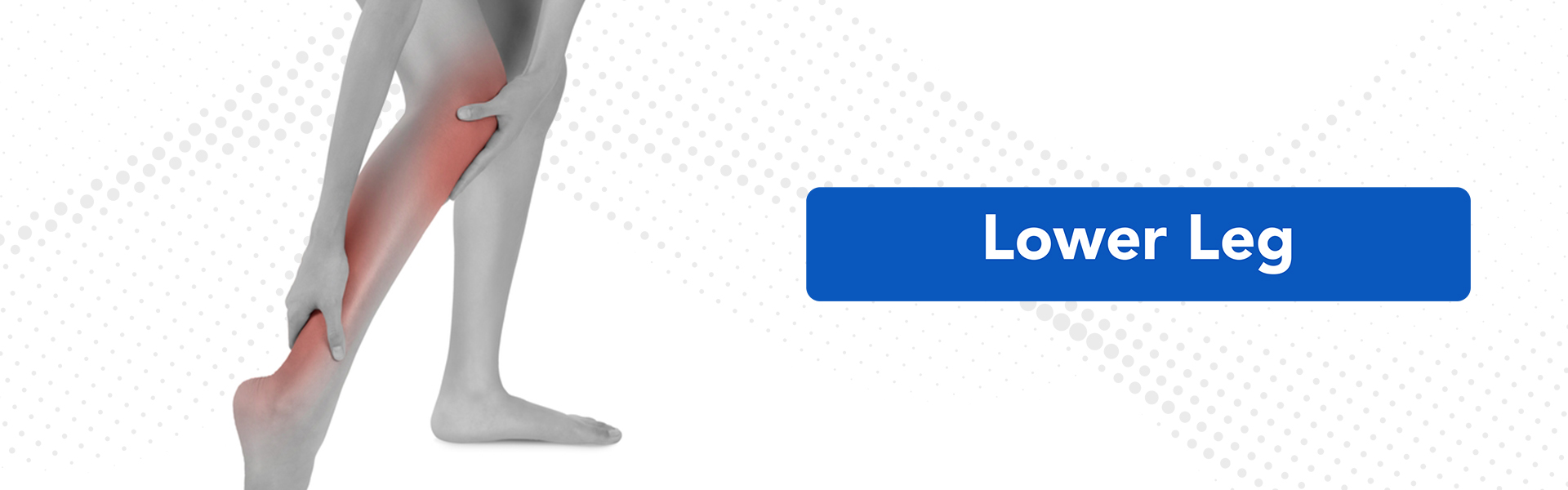
Lower Leg
Make walking, running, and stairs feel like they should again.
Tight calves, burning shins, that “I pulled it again” feeling—lower leg pain can make even simple things feel risky. Maybe your shins light up when you start running, your calf grabs halfway through a workout, or you’re always one step away from another strain.
At Timpanogos Physical Therapy, we look at how your lower leg, ankle, knee, and hips all share the work. Then we use a mix of shockwave therapy, electromagnetic therapy (EMTT), hands-on treatment, targeted exercise, and red / near-infrared light therapy to help tissues calm down, get stronger, and handle the mileage you put on them.
Lower leg issues we see all the time
- Shin splints / medial tibial stress syndrome – burning or aching along the front or inside of the shin
- Calf strains – that “pop” or sharp grab in the calf, with lingering weakness or tightness
- Recurrent “pulled calf” episodes whenever you speed up, cut, or play sports
- Chronic calf tightness that stretching never seems to fix
- Soreness along the outer lower leg from overworking the peroneals
- Posterior tibial or anterior tibial tendon pain from walking, hiking, or running
- Lower leg fatigue or ache that limits how far you can go, even if your lungs are fine
Urgent signs: sudden, severe calf pain with noticeable swelling and warmth, unexplained redness, or calf pain with shortness of breath or chest pain—these may indicate a blood clot and require immediate medical attention. We’ll take it from there once you’re cleared.
If you’re constantly testing your leg to see “how far it’ll let me go today,” it’s a good hint that your lower leg needs more than ice and another round of rest.
Why does shin & calf pain keep coming back?
The lower leg is the workhorse for walking, running, and jumping. Pain usually sticks around because of a mix of:
- Training spikes – too much volume or intensity, too quickly
- Overloaded muscles and tendons – calf complex, tibialis posterior/anterior, peroneals
- Bone stress along the tibia from repeated impact (especially with shin splints)
- Limited ankle mobility, forcing other tissues to absorb more load
- Hip and trunk weakness that pushes extra stress into the lower leg
- Old strains that never got full strength or plyometric training before you went back to normal speed
Our job is to figure out which of those matter most for you and design a plan that respects both your symptoms and your goals.
How do we help your lower leg
Shockwave Therapy
We often use shockwave therapy for stubborn lower leg problems, especially:
- Shin splints / medial tibial stress syndrome that haven’t responded to rest or basic stretching
- Chronic calf tightness and scarred-up areas after strains
- Irritated tendons along the inside or outside of the lower leg
Those focused pulses act like a mechanical reset for irritated tissue—helping reduce tenderness, improving local circulation, and supporting the way tissues remodel under load. For many runners and active folks, shockwave can be the difference between “it always flares at mile two” and “I can actually build mileage again.”
Electromagnetic Therapy (EMTT)
Electromagnetic therapy (EMTT) uses pulsed magnetic fields around the calf and shin to:
- Help overworked muscles relax
- Support micro-circulation in sore, cranky tissues
- Make the area less sensitive so we can gradually reintroduce strength and impact
It’s beneficial when the whole lower leg feels tight, fatigued, or on edge.
Manual Therapy
Hands-on work may include:
- Soft-tissue treatment to the calf complex, shin muscles, and surrounding fascia
- Gentle joint mobilization at the ankle and foot to restore motion and shock absorption
- Work around the knee and hip if stiffness is there, driving extra load into the lower leg
The goal is to help things glide and move the way they’re supposed to, instead of feeling locked, knotted, or “always about to grab.”
Strength, load management & return to impact
This is where long-term change really happens.
We’ll build a plan that fits your activity level, which may include:
- Early-phase isometric and light loading for calf and shin muscles to reintroduce stress safely
- Progressive calf and soleus strengthening (both straight-knee and bent-knee)
- Targeted work for tibialis anterior/posterior and peroneals to support the arch and ankle
- Hip and trunk strength so your lower leg isn’t doing everyone else’s job
- Plyometric and impact progressions (hops, skips, run-walk programs) when you’re ready, so your leg is truly prepared for running, sports, or hills—not just walking in a straight line
We’ll also look at training errors—shoes, surfaces, abrupt changes in mileage or terrain—and help you adjust instead of guessing.
Red & Near-Infrared Light Therapy
We often finish sessions with red and near-infrared light therapy over the shin or calf to:
- Support recovery between runs or workouts
- Help limit post-session soreness when we’ve pushed things a bit
- Promote tissue health without adding more mechanical stress
It’s a simple, comfortable way to help your lower leg bounce back between sessions.
For runners, hikers, athletes & “I just want to walk comfortably” folks
- Runners: We’ll look at cadence, stride, and workload—not to make you robotic, but to find sustainable patterns your lower leg can tolerate.
- Hikers & walkers: Hills, uneven terrain, and long days require strong calves and good mechanics; we’ll build both.
- Court & field athletes: Cutting, sprinting, and jumping put enormous demands on the lower leg. We’ll progress you from fundamental strength to sport-specific drills that actually feel like your game.
- Everyday movers: If you just want to shop, travel, or do your job without constant ache, we’ll keep the plan focused and practical.
What progress can look like
- Less burning or aching in the shins when you start or increase activity
- Fewer “grabby” moments in the calf when you speed up, climb stairs, or push off
- Being able to walk, hike, or run farther before discomfort shows up
- Confidence that your lower leg will keep up with what the rest of you wants to do
FAQs
Do I need an X-ray or an MRI for shin splints or calf pain?
Not always. If your exam suggests a possible stress fracture, a significant tendon tear, or something that would clearly change the plan, we’ll discuss imaging and help you coordinate it. Many lower-leg issues can start with a detailed physical therapy evaluation.
Can this help if I’ve had “shin splints” on and off for years?
Often, yes. When we combine shockwave therapy, EMTT, proper load management, and a progressive strengthening plan, many long-standing shin and calf problems finally start to move in the right direction.
Will I have to stop all activity?
Usually not. We’ll adjust what you’re doing and how much, but the goal is to keep you as active as your leg reasonably allows while it heals and adapts.
What if I’m not a runner—just on my feet a lot for work?
That absolutely counts. We’ll tailor your plan to the demands of your job and daily life so you’re not wiped out or limping by the end of the day.
Ready for your lower leg to feel reliable again?
If shin or calf pain has been limiting your miles, your workouts, or just your day-to-day comfort, there’s a better way forward.
Schedule an evaluation with Timpanogos Physical Therapy, and we’ll map out a clear, realistic plan to help your lower leg handle the way you move—so you can get back to doing things without constantly thinking about your shins or calves.