1955 W Grove Parkway STE 201 Pleasant Grove, UT 84062



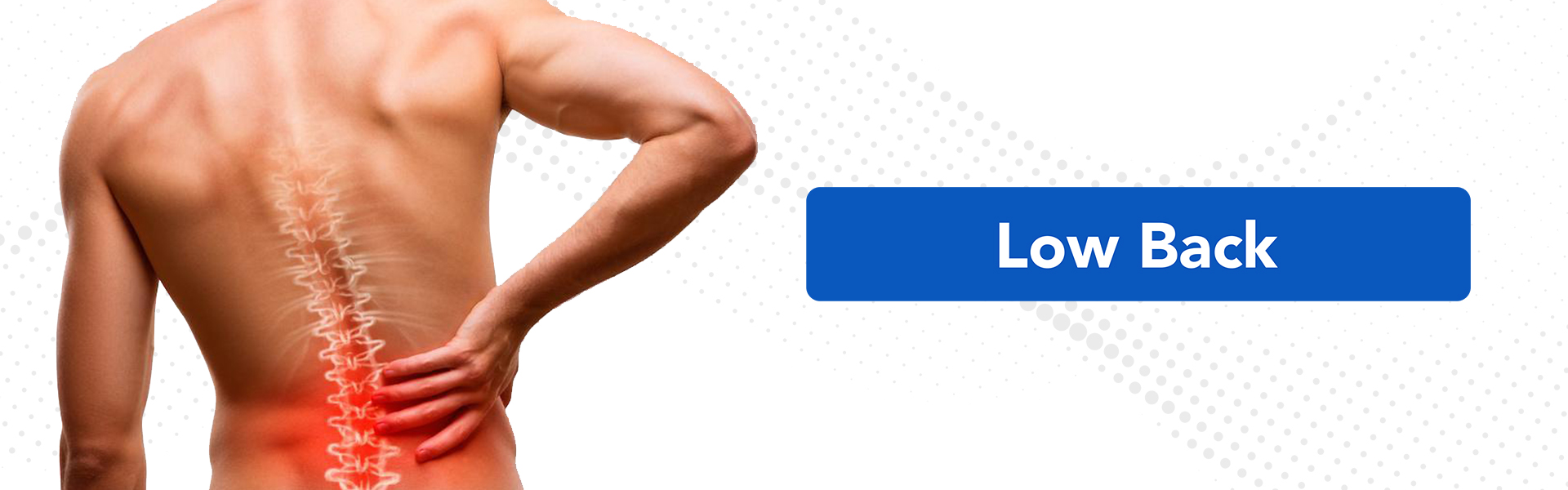
Low Back
Turn the volume down on back pain—and get your life back.
Back pain is common, but it shouldn’t be your “new normal.” Most adults will have low back pain at some point, and it’s consistently listed among the top reasons for medical visits and missed work. It’s also a leading cause of disability worldwide—which sounds heavy, but here’s the hopeful part: with the right plan, most people improve.
At Timpanogos Physical Therapy (Timpanogos PT), we look beyond the ache to the patterns that keep it going—how you move, how your pelvis and spine are aligned, where tissues are sensitive, and what your day demands. Then we use a brilliant mix of shockwave therapy, EMTT (electromagnetic therapy), skilled hands-on care, targeted exercise, red/near-infrared light therapy, and non-invasive core-strengthening technology to calm pain and rebuild confidence in motion.
Find yourself in one of these stories?
- Morning stiffness that eases after a bit of walking—but returns by afternoon
- “Catch” with bending or lifting, followed by a protective spasm that sidelines you for a few days
- Sciatica-like leg pain that travels down the back of the thigh (sometimes to the foot)
- Seat-to-stand pain and rolling in bed that feels like “something is off” around the pelvis
- After-work backache from a desk day or long drive
- Post-exercise tightness that lingers after deadlifts, squats, or weekend projects
If any of that sounds familiar, you’re not broken—you’re irritated. The goal is to lower sensitivity, restore tolerant movement and alignment, and build capacity so you can lift, sit, stand, and live without bracing for pain.
Is it sciatica, SI joint, or something else?
Back and leg symptoms aren’t always what they seem. Two pervasive patterns:
“True” sciatica
- Often starts in the back and travels below the knee, sometimes into the foot
- Follows a recognizable nerve pattern, sometimes with tingling or numbness
- Can spike with coughing/sneezing or certain spine positions
- Responds to a plan that calms the irritated nerve root and gradually restores loading and confidence
SI joint–driven pain and pelvic rotation
- Frequently centers at the back of one hip/buttock, and may refer to the back of the thigh
- Rolling in bed, standing up, or long sitting can really set it off
- Often tied to rotational changes of the innominate bones and functional leg length discrepancies that alter how forces move through the pelvis
- Responds well when we identify and address those pelvic alignment issues, restore hip and pelvic mechanics, and then build strength in the glutes, trunk, and pelvic floor to help hold the gains
Bottom line: sciatica and SI joint/pelvic issues can feel very similar. A careful exam—looking at symptoms, alignment, and movement together—helps us sort out what’s driving what, and treat accordingly.
What keeps back pain hanging around?
- Irritable tissues – sensitive joints, discs, or nerves that overreact to everyday stress
- Protective patterns – muscle guarding that makes movement stiff and tiring
- Pelvic and spinal alignment issues – rotated innominates, functional leg-length differences, and asymmetrical loading that keep one side working harder than the other
- Capacity mismatch – your life demands more than your back can comfortably deliver (for now)
- Sleep & stress factors – less recovery and a “louder” nervous system that amplifies pain
You don’t need a miracle technique—you need a targeted combination that helps your system calm down, move better, and then get stronger.
How we help (mixed to fit your back)
Shockwave therapy
Gentle, focused acoustic pulses (not electricity) that can reduce pain, release stubborn muscle guarding, and support tissue remodeling—especially helpful for tight spinal erectors, glutes, hip rotators, and other hot spots that keep feeding the cycle.
Electromagnetic Therapy (EMTT)
Comfortable pulsed electromagnetic fields are applied to the back and hip regions to ease spasm, support microcirculation, and settle irritable tissues. Many people feel they move more freely as the system downshifts a notch.
Manual therapy
Hands-on techniques to:
- Improve segmental motion through the lumbar and thoracic spine
- Address SI joint mechanics and innominate rotation
- Work with functional leg length differences so forces travel through your pelvis more evenly
- Help soft tissues glide instead of gripping
We use this to create quick wins in alignment and motion, so exercise feels safe and valuable.
Therapeutic exercise
Short, doable progressions that build confidence and capacity:
- Spine-friendly movement options when things are flared up
- Glute and hip strength to share the work with the low back
- Trunk endurance and motor control so support muscles can actually last through your day
- Hip, pelvis, and rib cage coordination to keep the SI region happier
- Hinge, lift, and squat patterns that match the way you live, lift, and work
The goal is to keep you moving as much as possible while your back calms and adapts.
Non-invasive core muscle strengthening
Sometimes pain makes traditional core work—planks, dead bugs, even basic bracing—almost impossible. In those cases, we can use non-invasive EMS-based technology (often used in body-sculpting programs, but here focused on function) to help:
- Activate deep abdominal and trunk musculature when you can’t comfortably engage it on your own
- Build baseline core strength and endurance without forcing painful positions
- Bridge the gap between “I can’t fire my core at all” and “I can handle real-world exercises again”
We still pair this with progressive strengthening and movement training—it’s an extra tool to accelerate core re-education and support your spine, especially early on.
Red & near-infrared light therapy
A relaxing, non-invasive finisher that supports tissue recovery and nervous-system downshifting after bigger days, long sits, or heavy work.
A note on pelvic alignment
In the SI region, pelvic alignment and muscle control go hand in hand. We regularly assess for conditions such as innominate rotation and functional leg-length discrepancies, and address them with manual techniques and specific exercises. The key is not just gently correcting the alignment once, but helping your system hold and support those changes over time with better muscle balance and movement habits. That’s how your back and pelvis start to feel more even and dependable day to day.
For lifters, runners, riders, and desk pros
- Lifting & sport: We fine-tune your hinge, squat, and bracing strategy, plus training volume, so you can keep participating while symptoms calm.
- Runners & cyclists: Hip extension, cadence, foot strike, and glute capacity are frequent difference-makers that offload the back and SI joint.
- Desk workers & drivers: Small changes to breaks, breathing, and setup add up—especially alongside a compact strength routine that actually fits your schedule.
What progress can look like
- Getting out of a chair and rolling in bed without bracing or wincing
- Standing, walking, and sitting longer before your back or SI joint speaks up
- Less “pinch” or grab with bending and lifting—replaced by smooth, confident motion
- A back and pelvis that no longer dominate your thoughts during work, family time, or hobbies
FAQs
Do I need an MRI first?
Not always. Imaging is helpful in specific situations, but many cases improve with a plan that lowers sensitivity, addresses alignment and movement, and builds capacity. We’ll talk through imaging if it would truly change what we do.
Will I have to stop working or working out?
Usually not. We’ll adjust how you lift, sit, and move so you keep your routine while giving your back and pelvis a real chance to heal.
Can you help if I’ve had back pain for months or years?
Yes. Chronic pain often improves once we address the combination of sensitive tissues, pelvic/spinal alignment, and how you load the system. That’s where shockwave therapy, electromagnetic therapy, manual work, targeted core strengthening, and the right exercises work together.
What if the pelvic floor is involved?
Sometimes the pelvic floor is a key player in stability and symptoms. If your exam suggests it matters, we can integrate pelvic-oriented strategies or coordinate with our pelvic health team.
When to seek medical care first
Please contact a medical provider urgently if you have new bowel or bladder changes, saddle numbness, fever, or unexplained weight loss with back pain, progressive leg weakness, or back pain after significant trauma. We can begin or resume rehab once you’re cleared.
Ready to move with less guarding?
If your back—and maybe your SI joint—has been running the show, let’s change the script. Book an evaluation with Timpanogos Physical Therapy, and we’ll build a plan that matches your goals—using modern tools and practical steps that fit real life.