1955 W Grove Parkway STE 201 Pleasant Grove, UT 84062



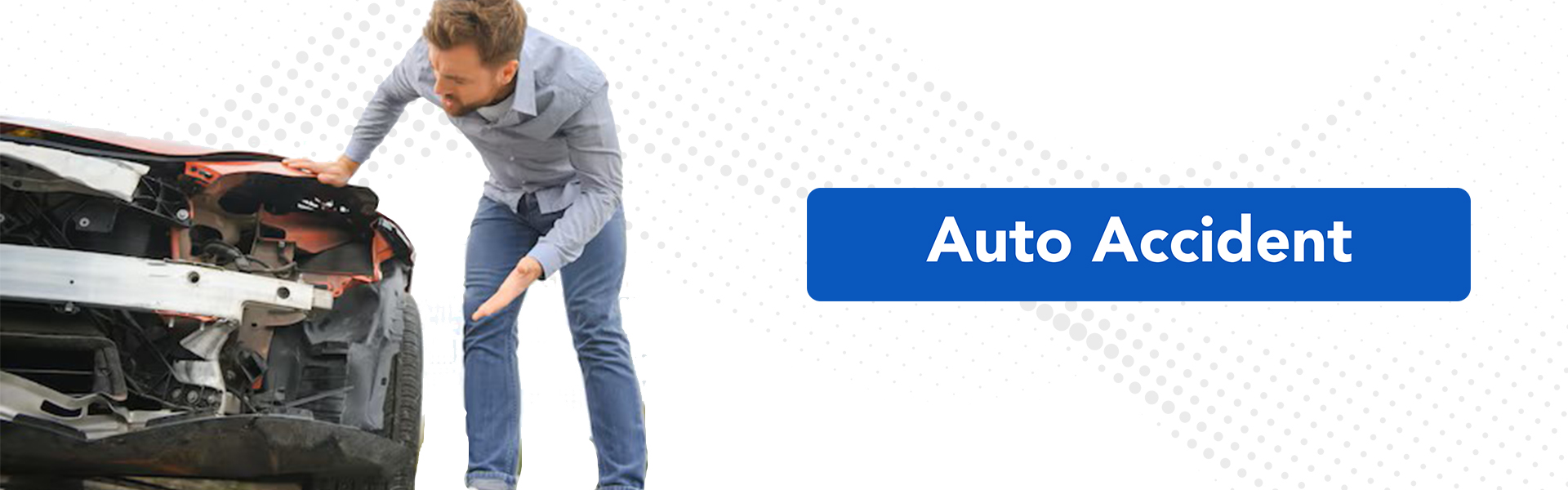
Auto Accident
Car crash, now what? We help you sort out the pain and the process.
A car accident can flip your world in a few seconds. Neck or back pain shows up (sometimes days later), headaches won’t quit, your shoulder or knee feels “off,” and everyday things—driving, sleeping, working—suddenly take way more effort than they used to.
On top of that, you’ve got insurance calls, adjusters, maybe an attorney, and a pile of paperwork.
At Timpanogos Physical Therapy, we don’t just treat the injuries—we help you navigate the whole process.
- Over 9 years of focused experience treating auto accident patients
- Comfortable working with attorneys, claims adjusters, and other medical providers
- Ability to perform Functional Capacity Evaluations (FCEs) when needed to clearly document what you can and can’t do after your crash
You bring the crash story. We bring the plan.
Auto accident injuries we commonly treat
We see the full range of post-crash issues, including:
- Whiplash and neck pain – stiffness, headaches, “heavy head,” difficulty turning to check mirrors
- Mid and low back pain – aching, sharp twinges, spasms, pain with sitting or standing too long
- Shoulder and upper back injuries – seatbelt/airbag trauma, rotator cuff irritation, “pinching” with reaching
- Hip, knee, and ankle injuries – from dashboard impact, bracing on impact, or twisting during the crash
- Headaches and dizziness – sometimes linked to neck strain or mild concussion
- Nerve-type pain – burning, tingling, or numbness in arms or legs
- Soft-tissue bruising, strains, and sprains all over from the force of the collision
You don’t have to have the “perfect” diagnosis already. Part of our job is helping figure out what’s coming from where and what to do about it.
Why auto accident rehab is different
Auto accidents often involve:
- Multiple injured areas at once (neck, back, shoulder, hip, etc.)
- Symptoms that change over time—some show up right away, others days later
- Paperwork and documentation that actually matter for your case
- Coordination between medical providers, chiropractors, imaging centers, and attorneys
You’re not just trying to feel better—you’re also trying to document honestly what this crash did to your body and your life. That’s where experience counts.
We’ve spent over 9 years focusing on auto accident care, including running an auto-injury-based PT/chiropractic practice and continuing that work at Timpanogos PT. We understand how these cases move medically and legally, and we treat and document with both in mind.
How we help after an auto accident
1. Thorough evaluation
We start by:
- Listening to the whole story of your crash and symptoms
- Checking neck, back, shoulders, hips, and extremities
- Screening for red flags that may need further medical workup
- Looking at movement, strength, posture, and nerve involvement
If we think you need further imaging, we can order X-rays or MRIs when appropriate, or help coordinate with your other providers.
2. A treatment plan that actually fits real life
Your plan may include:
- Manual therapy
- Hands-on work to calm down tight, guarded muscles
- Joint mobilization to restore motion in the spine, ribs, and extremities
- Targeted exercise
- Gentle early-phase movement for mobility and circulation
- Gradual strength and stability work so you can get back to normal activities and work demands
- Shockwave therapy (when appropriate)
- For stubborn tendon, muscle, or soft-tissue pain that isn’t budging
- EMTT (Electromagnetic Transduction Therapy)
- An emerging tool to help calm irritable tissues and support healing
- Red & near-infrared light therapy
- To support recovery and reduce post-session soreness
We adjust as we go—no cookie-cutter “3 sets of 10 and hope for the best.”
How does insurance usually work after an auto accident?
Every case is unique, but here are some general principles that help people breathe easier:
Personal Injury Protection (PIP) and auto medical coverage
In many auto accident cases, your treatment is paid for through auto insurance benefits, such as:
- PIP (Personal Injury Protection)
- MedPay or similar medical coverage, depending on your policy
These benefits are designed specifically to cover medical care related to the crash, often with:
- No or low copays
- No need to fight with your regular health insurance at the start
- Coverage independent of who was at fault (in many policies)
In a lot of situations, this means your auto-related PT care is largely or entirely covered by auto insurance benefits—up to the limits of your policy. We’ll help you understand your coverage and work with your team so you don’t have to decode it alone.
Treatment under an attorney lien: what that actually means
If you’ve hired an attorney and your case is being handled as an injury claim, we can often treat you under an attorney lien.
What is an attorney lien?
An attorney lien is an agreement between:
- You
- Your attorney
- Our clinic
That says:
- You receive treatment now, without being billed as you go.
- We agree to wait for payment until after your case settles.
- When the case resolves, your attorney uses settlement funds to pay your medical providers, including us, from the injury portion of the settlement.
In other words:
You’re not getting monthly PT bills while you’re trying to recover.
Your care is provided now, and medical providers are paid once the case settles.
Your attorney and our office coordinate the details so you’re not caught in the middle.
“If I hire an attorney, am I suing someone?”
This is a huge fear—and a big misconception.
Hiring an attorney for an auto accident case does not automatically mean you’re “suing” the other driver in the dramatic, courtroom-TV sense.
In many cases:
- Your attorney is primarily dealing with insurance companies, not dragging anyone into court.
- Most claims are resolved through negotiation and settlement, not a full-blown lawsuit or trial.
- The goal is to make sure your medical bills, future care needs, lost wages, and pain/limitations are documented and considered—not to “go after” someone out of anger.
Think of an attorney as:
Someone who understands the rules of the insurance game and makes sure you’re not the only one at the table who doesn’t.
You still get to decide how far you want to take your case. Our role is not legal advice—we’re not your lawyers—but we work in this world every day and understand how rehab fits into the bigger picture.
Functional Capacity Evaluations (FCEs) for Auto Accident Cases
Sometimes, especially in more serious or long-lasting cases, everyone is asking the same questions:
- “What can this person safely do at work?”
- “How much can they lift, carry, or stand?”
- “Are these limitations reasonable and consistent?”
That’s where a Functional Capacity Evaluation (FCE) can be very helpful.
What is an FCE?
An FCE is a structured, in-depth evaluation that measures your physical abilities and tolerances after injury. It goes well beyond a quick office visit.
During an FCE, we may test:
- Lifting and carrying (how much, how often, from what heights)
- Pushing and pulling
- Standing, walking, and sitting tolerances over time
- Reaching, bending, squatting, climbing
- Hand and grip function, if upper extremities are involved
- Consistency and safety of performance over several hours
We use standardized systems and protocols so results are objective, reproducible, and defensible.
How an FCE can help your auto accident case
A well-done FCE can:
- Provide precise, objective data about what you can and cannot do
- Help define work restrictions or accommodations (weights, postures, time limits)
- Support your physician or specialist when they’re writing final functional recommendations
- Give your attorney and the insurance company a concrete picture of how the crash affects your ability to work and carry out daily life
It’s not about exaggerating or minimizing—it’s about documenting reality in a structured way so decisions aren’t based on guesswork.
Coordinating with attorneys & other providers
Auto cases often involve a whole team. We regularly:
- Communicate with attorneys to ensure they have the documentation they need (treatment notes, summaries, FCE results, etc.)
- Coordinate with physicians, chiropractors, and pain specialists so your care is aligned, not scattered
- Help you understand what different providers are focusing on, in plain language
You stay focused on getting better. We help keep the rehab side of your case organized and clearly documented.
FAQs
Do I need a referral to start PT after an auto accident?
In many situations, you can see a physical therapist directly after a crash. If your specific insurance plan or attorney requires a referral, we’ll help you figure that out.
Will my auto insurance or PIP cover this?
Often, yes—auto insurance benefits like PIP or MedPay are explicitly designed to help cover medical treatment after a crash, up to your policy limits. We can help you and your attorney’s office understand how your coverage applies.
What if I have an attorney?
If you’re working with an attorney, we can often treat under an attorney lien, meaning you’re not billed as you go, and providers are paid from settlement funds once your case resolves.
When is the right time for an FCE?
FCEs are usually most helpful after you’ve had time to heal and complete a course of treatment—when you’re closer to a “steady state” and everyone needs to know what your long-term abilities and limitations look like.
Can you still help if my crash was months or years ago?
Yes. Many people still have pain, weakness, or limitations long after the accident. We can help you improve function and, if appropriate, use an FCE to clarify your current capacity.
Trying to recover from a crash and feeling stuck?
If you’re in pain, overwhelmed by the process, or worried about how your injuries will affect work and day-to-day life, you don’t have to figure it out alone.
Schedule an auto accident evaluation at Timpanogos Physical Therapy, and we’ll:
- Sort out what’s going on
- Build a treatment plan that fits your life
- Coordinate with your attorney and other providers
- Use tools like Functional Capacity Evaluations when needed to document how this accident has impacted you clearly
So you can move from “I was in an accident” to “I’m finally getting my life back.”